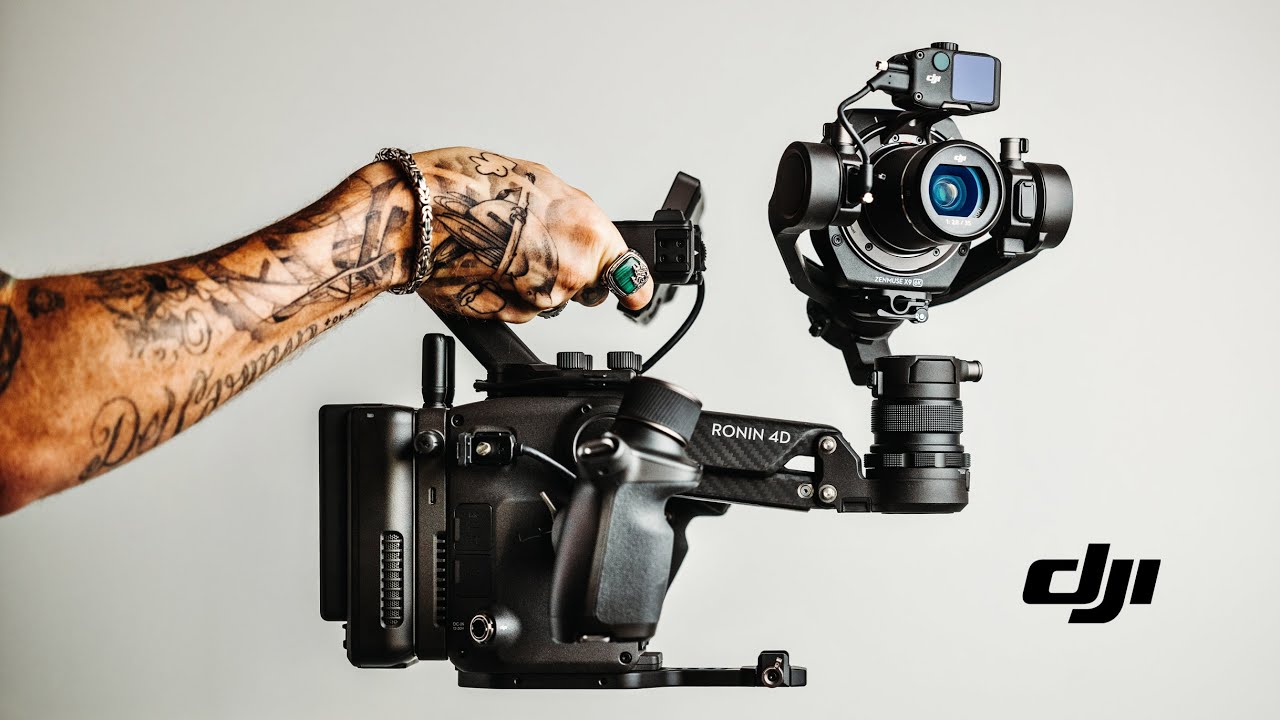
The DJI Ronin 4D Changed How I Think About Handheld Cinema Cameras

The DJI Ronin 4D Changed How I Think About Handheld Cinema Cameras

I’ve spent a lot of Sunday mornings walking around Seattle with a camera in my hand, and the single biggest friction point I run into isn’t exposure or composition. It’s stability. Getting smooth, controlled footage while moving through a scene is something that normally requires either a dedicated gimbal operator, a heavy rig, or a lot of patience in post. So when I saw Peter McKinnon’s reaction to the DJI Ronin 4D, I stopped what I was doing and watched the whole thing twice.

Powering Your Creative Workflow: MagSafe vs. USB-C for MacBook Charging

Powering Your Creative Workflow: MagSafe vs. USB-C for MacBook Charging

Powering Your Creative Workflow: MagSafe vs. USB-C for MacBook Charging As a photographer who spends long hours editing images on my MacBook, I’ve had to think carefully about charging solutions. If you’re in the same boat, you’ve probably noticed that newer MacBooks offer two distinct ways to keep your battery topped up: traditional USB-C charging and the newer MagSafe technology. Let me break down what each option offers and help you decide which might work best for your photography setup.

How to Shoot Stunning Sunset Photos: Lessons from a Rooftop in Los Angeles

How to Shoot Stunning Sunset Photos: Lessons from a Rooftop in Los Angeles

Sunset shots are the ones I get asked about most. Not portraits, not landscapes in general – sunsets specifically. And for a long time, my honest answer was something like “show up and hope for the best.” I’d get a decent shot every few outings, but I wasn’t making them happen. I was just getting lucky. That changed when I started paying closer attention to photographers who treat sunset sessions as a system, not a lottery.

Giant Heads, Birthday Cakes, and the Photoshop Skills Behind a Viral Promo Photo

Giant Heads, Birthday Cakes, and the Photoshop Skills Behind a Viral Promo Photo

Every so often a photo stops people mid-scroll. You know the kind. Someone posts it, the comments flood in, and half of them are just “wait, how?” That’s exactly what happened when the team at PHLEARN put out their fifth anniversary promo image - a surreal, oversized-head-meets-giant-birthday-cake composite that looked equal parts chaotic and polished. The requests for a breakdown came pouring in, so Aaron Nace did what he does best and made a tutorial out of it.

How to Plan an Aerial Photography Flight That Actually Gets the Shot

How to Plan an Aerial Photography Flight That Actually Gets the Shot

Aerial photography from a small plane is one of those experiences that sounds dreamy right up until you’re buckled in, the door is off, and you have about forty-five minutes to come home with something you’re proud of. There’s no reshoot. There’s no “let me adjust and try again tomorrow.” The light does what it does, the plane moves whether you’re ready or not, and your pilot is waiting on your direction.

Why the 35mm Prime Lens Deserves a Permanent Home on Your Camera

Why the 35mm Prime Lens Deserves a Permanent Home on Your Camera

Why the 35mm Prime Lens Deserves a Permanent Home on Your Camera I recently spent considerable time working exclusively with a fast 35mm prime lens, and I’ve come to realize something important: this focal length might be the most underrated workhorse in any photographer’s bag. After years of chasing faster glass and more specialized optics, I’m convinced that a quality 35mm prime offers something rare—a perfect intersection of practicality, creative potential, and everyday usability.

Broncolor's Gen NEXT Competition: What It Means for Young Photographers Chasing Serious Gear

Broncolor's Gen NEXT Competition: What It Means for Young Photographers Chasing Serious Gear

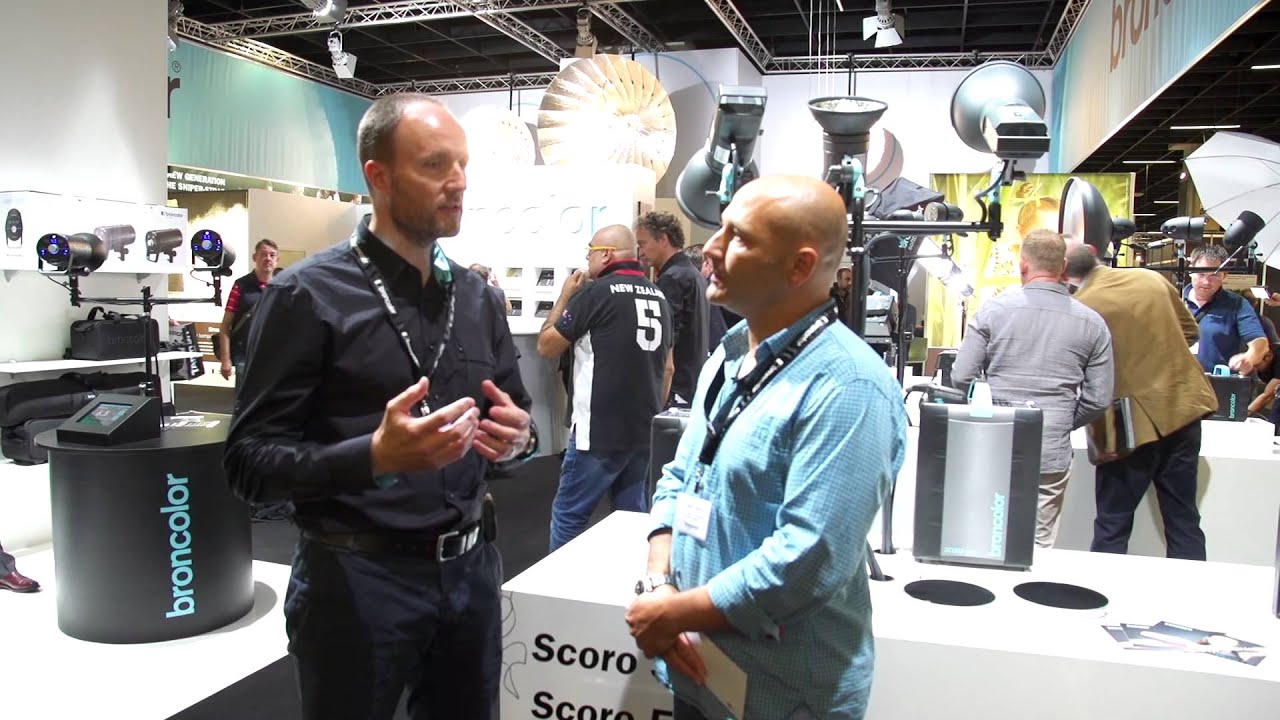
There’s a specific kind of frustration that comes with knowing your vision is bigger than your gear. I felt it hard when I was starting out, borrowing flashes, renting strobes I couldn’t afford, and trying to build a portfolio that looked professional on a budget that absolutely was not. That gap between what you can imagine and what you can actually produce with the equipment in your hands is real, and it slows a lot of talented people down.

How to Stop Copying Other Photographers and Actually Find Your Own Style

How to Stop Copying Other Photographers and Actually Find Your Own Style

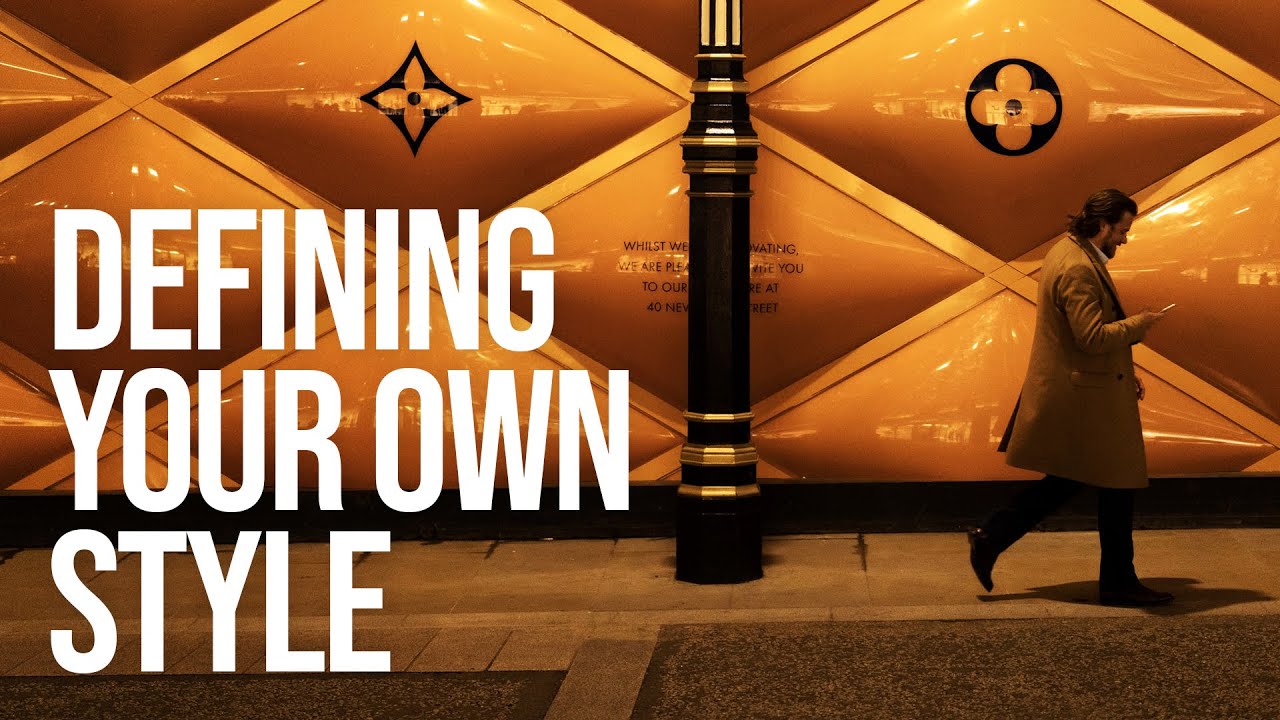
Every Sunday morning I do a photo walk. No agenda, no client, no mood board. Just me, whatever camera I grab off the shelf, and whatever Seattle throws at me. And for the longest time, I kept coming home with images that looked like someone else made them. Not bad photos, but not mine either. I could tell I was unconsciously copying the photographers I admired most, and I had no real framework for breaking out of that.

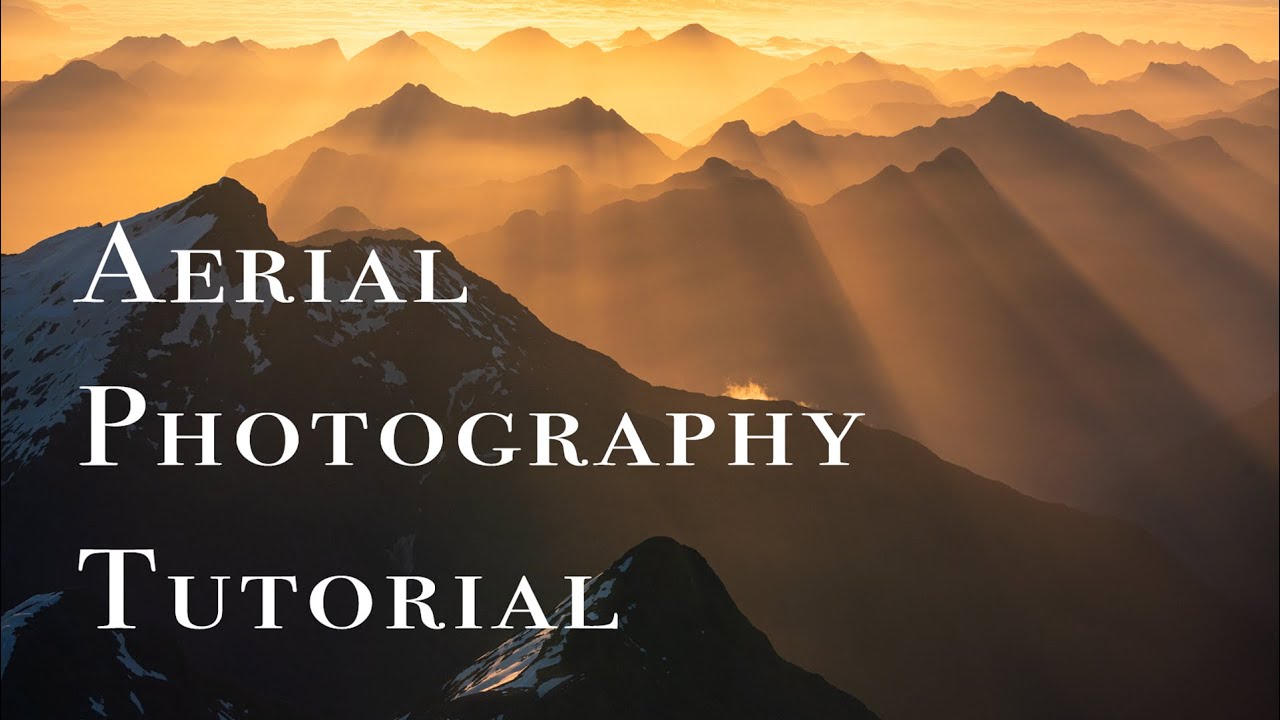
How to Plan and Shoot Aerial Photography Like a Pro (Lessons from New Zealand's Skies)

How to Plan and Shoot Aerial Photography Like a Pro (Lessons from New Zealand's Skies)

There’s a category of shot I’ve wanted to level up for years: aerials over dramatic landscape. Every time I’ve booked a scenic flight, I’ve come back with images that look fine but feel flat. Nice enough for a travel album, not good enough to print. The problem wasn’t the scenery. It was that I had no system. I was just pointing a camera out a window and hoping. That changed when I found William Patino’s aerial photography tutorial, filmed over the jaw-dropping fjords of New Zealand.

A Camera Brand You've Forgotten Changed Photography Forever

A Camera Brand You've Forgotten Changed Photography Forever

A Camera Brand You’ve Forgotten Changed Photography Forever When I think about autofocus, I picture modern mirrorless cameras with sophisticated eye-tracking and lightning-fast performance. What I don’t picture is a compact film camera from 1977. Yet that’s exactly where autofocus technology made its debut in a mass-produced camera—and honestly, it’s a reminder of how much I take for granted every time I press the shutter button. The Forgotten Pioneer In November 1977, Konishiroku Photo Industry released the Konica C35 AF, and with it came a quiet revolution.

Landscape vs. Portrait Orientation: The Deciding Factors Working Photographers Actually Use

Landscape vs. Portrait Orientation: The Deciding Factors Working Photographers Actually Use

Every Sunday morning I do a photo walk. No agenda, no client brief, just me and whatever I happen to grab on the way out the door. And for an embarrassingly long time, I noticed I was coming home with roll after roll of horizontal shots. Same orientation, every single time, almost like I’d forgotten the camera could rotate. It wasn’t until I started being intentional about it that I realized how much I was leaving on the table compositionally.

Why I'm Telling Intermediate Photographers to Put Down Their Mirrorless Camera (At Least for a Weekend)

Why I'm Telling Intermediate Photographers to Put Down Their Mirrorless Camera (At Least for a Weekend)

There’s a specific kind of creative rut I’ve noticed in my own work and in the students I teach: you stop seeing and start capturing. Your camera becomes a machine you point at things, and the magic of actually choosing a frame quietly disappears. I hit that wall a couple of years ago during a trip to Iceland. I came home with 1,400 raw files and felt nothing looking at them.