What Shooting Street Photography on Kodak Tri-X Taught Me About Slowing Down

What Shooting Street Photography on Kodak Tri-X Taught Me About Slowing Down

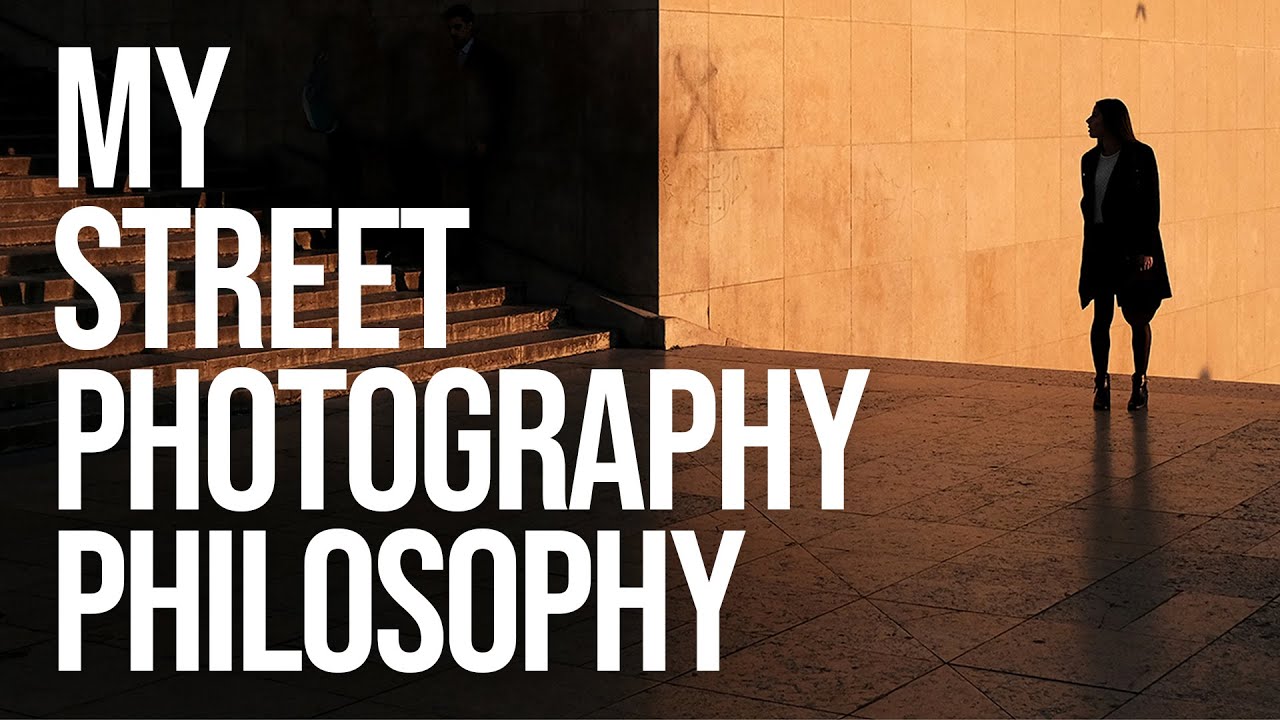
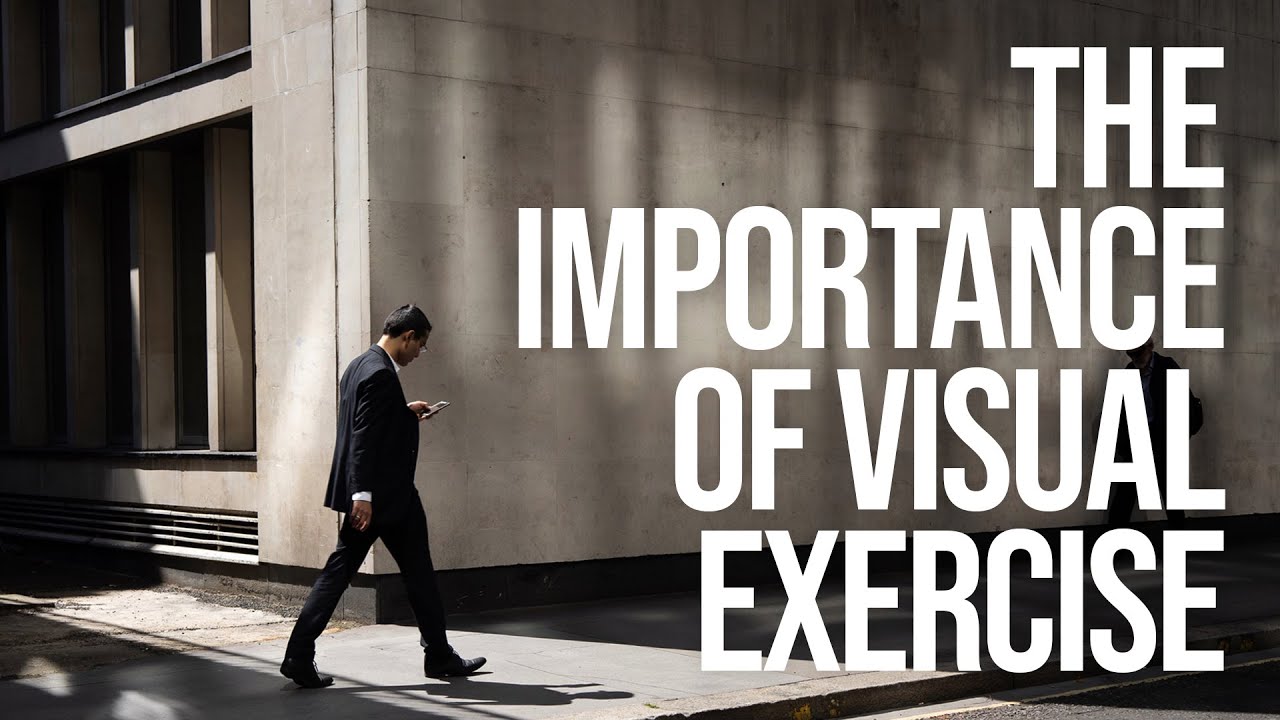
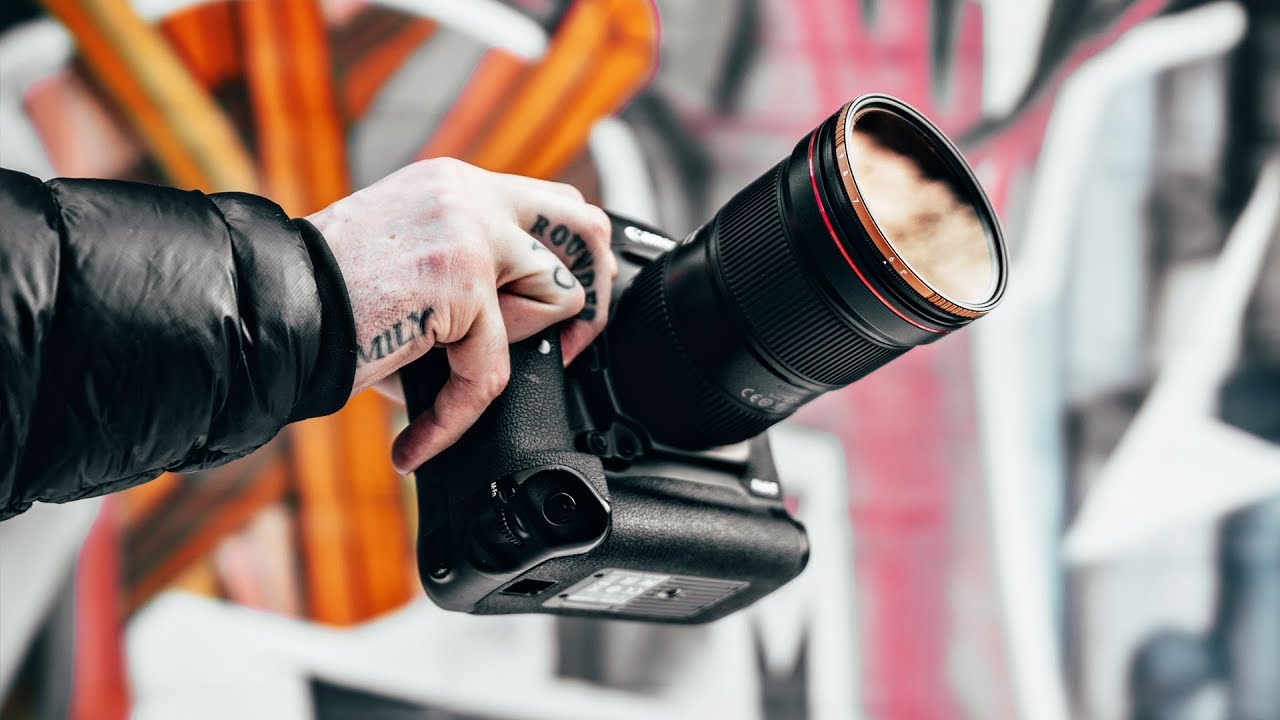
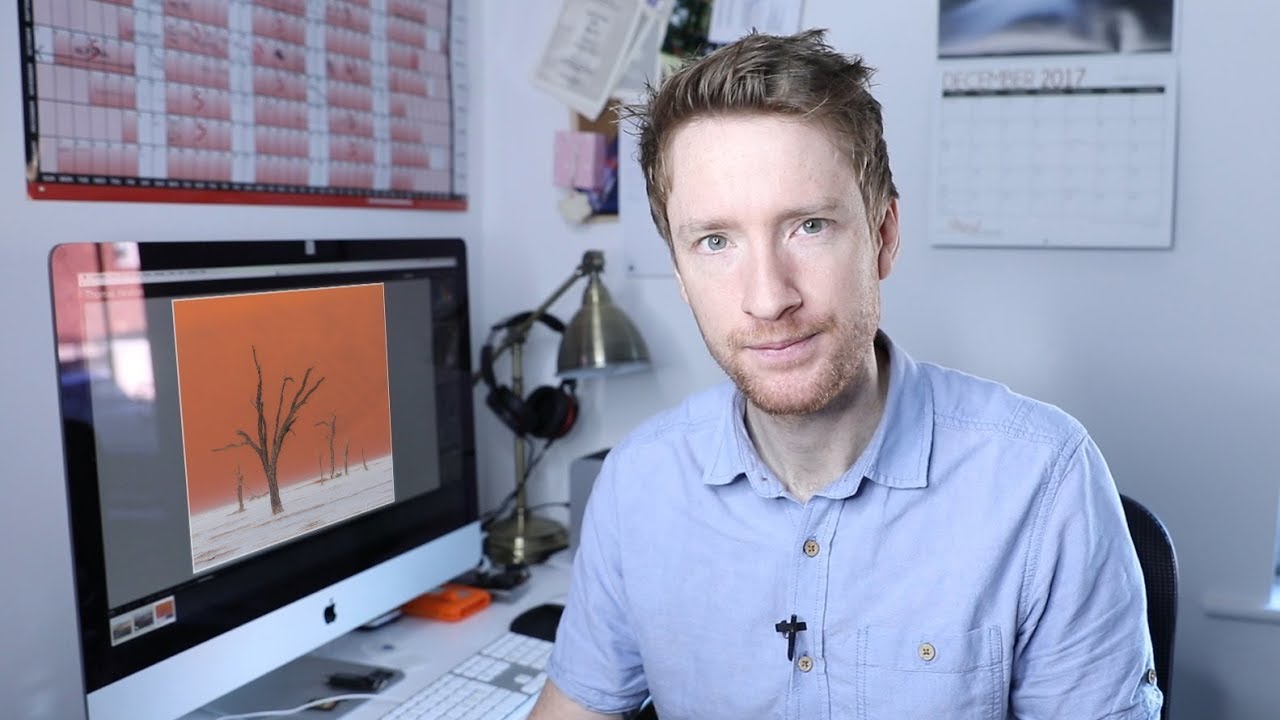
Every Sunday morning I take a photo walk through my neighborhood in Seattle. No agenda, no client, no assignment. Just me and whatever camera I feel like carrying. For the longest time I treated it as a warm-up, a way to shake the rust off before a “real” shoot. I’d come home with 200 frames and maybe feel good about three of them. Fast and loose, spray and pray. Then I watched Watch the full tutorial on YouTube, where Sean Tucker introduces Hong Kong-based film street photographer Mavis CW and spends time unpacking why her approach to film changes the entire relationship a photographer has with a scene.

How to Shoot Fine Art Photos of Everyday Objects Using Focus Stacking

How to Shoot Fine Art Photos of Everyday Objects Using Focus Stacking

I have a confession: one of my most-shared photos ever is a close-up of a half-eaten granola bar sitting on my kitchen counter. Shot on my phone, terrible lighting, zero planning. People went wild for it. That experience taught me something I’ve been chewing on ever since – the subject almost never matters as much as the perspective you bring to it. That’s the core idea behind this Peter McKinnon tutorial, where he photographs a five-cent gummy bear alongside a $50,000 Phase One IQ4 camera system and makes the case that fine art isn’t about the subject.

How Joel Grimes Shot 100 Days of Harley Riders (And What It Teaches You About Building a Real Body of Work)

How Joel Grimes Shot 100 Days of Harley Riders (And What It Teaches You About Building a Real Body of Work)

There’s a question I get asked constantly in my Sunday morning photo walks, usually from someone who’s been shooting for a year or two and feels like their portfolio is just… scattered. They’ve got landscapes, some street shots, a few portraits from a friend’s birthday, maybe a pet photo. Good individual images. No cohesive story. I never had a clean answer for that until I watched this tutorial from Joel Grimes.

How to Shoot Candid Street Portraits That Actually Look Like Portraits

How to Shoot Candid Street Portraits That Actually Look Like Portraits

There’s a specific kind of street photo I used to think was just luck: a single person, sharp against a blurred background, completely unaware of the camera, yet somehow looking like a deliberate portrait. Every time I saw one I’d wonder, “How did they get that without the person posing?” I’d tried the walk-up-and-ask method before and loved it, but the results always had that slight stiffness of someone who knows a lens is pointed at them.

Run-and-Gun Documentary Shooting: Gear Choices and On-Location Product Photography Tips from Peter McKinnon

Run-and-Gun Documentary Shooting: Gear Choices and On-Location Product Photography Tips from Peter McKinnon

There’s a specific kind of shooting panic I know well. You’re on location, you have limited time, and you need footage or photos that feel cinematic without a full crew or a trunk full of gear. I’ve been there on travel assignments where I had one bag, one camera, and a client expecting polished results. The question is never really “what’s the best gear?” It’s “what’s the right gear for this job?

How Joel Grimes Lights, Shoots, and Composites Athletes (And What I Stole From His Workflow)

How Joel Grimes Lights, Shoots, and Composites Athletes (And What I Stole From His Workflow)

I used to think dramatic athlete portraits required a massive studio budget and a team of assistants. Then I watched enough Joel Grimes tutorials to realize the gap between “looks professional” and “looks like a million dollars” is mostly just intentional light placement and a few clever tricks in post. If you shoot portraits, fitness clients, or anyone you want to look genuinely powerful on camera, this workflow is worth understanding from the ground up.

Your TV Is a Free Professional Backdrop (Here's How to Actually Use It)

Your TV Is a Free Professional Backdrop (Here's How to Actually Use It)

The Background Problem Nobody Talks About I’ve lost count of how many times I’ve stood in a perfectly decent location with a perfectly willing subject and completely fumbled the background. Too cluttered. Too flat. Wrong color. Wrong mood. Renting a studio isn’t always practical, and carrying a roll of backdrop paper through Seattle on a Sunday morning photo walk is exactly as awkward as it sounds. So when a client asked me for a set of product lifestyle shots on short notice last winter, I started looking around my apartment with fresh eyes.

The Excuses Keeping Your Portrait Work Stuck (And What to Do Instead)

The Excuses Keeping Your Portrait Work Stuck (And What to Do Instead)

The Moment I Stopped Blaming My Gear Last spring, I handed my phone to a stranger at a coffee shop and asked her to grab a quick shot of me at the table. She fumbled with it for a second, then handed it back apologetically. “I’m not a photographer,” she said. I smiled and told her neither was I, once. That exchange is part of why I started teaching, and it’s also why a recent Visual Education tutorial landed so hard when I watched it.

Stop Avoiding Overcast Days: Why Flat Light Is Perfect for Portrait Photography

Stop Avoiding Overcast Days: Why Flat Light Is Perfect for Portrait Photography

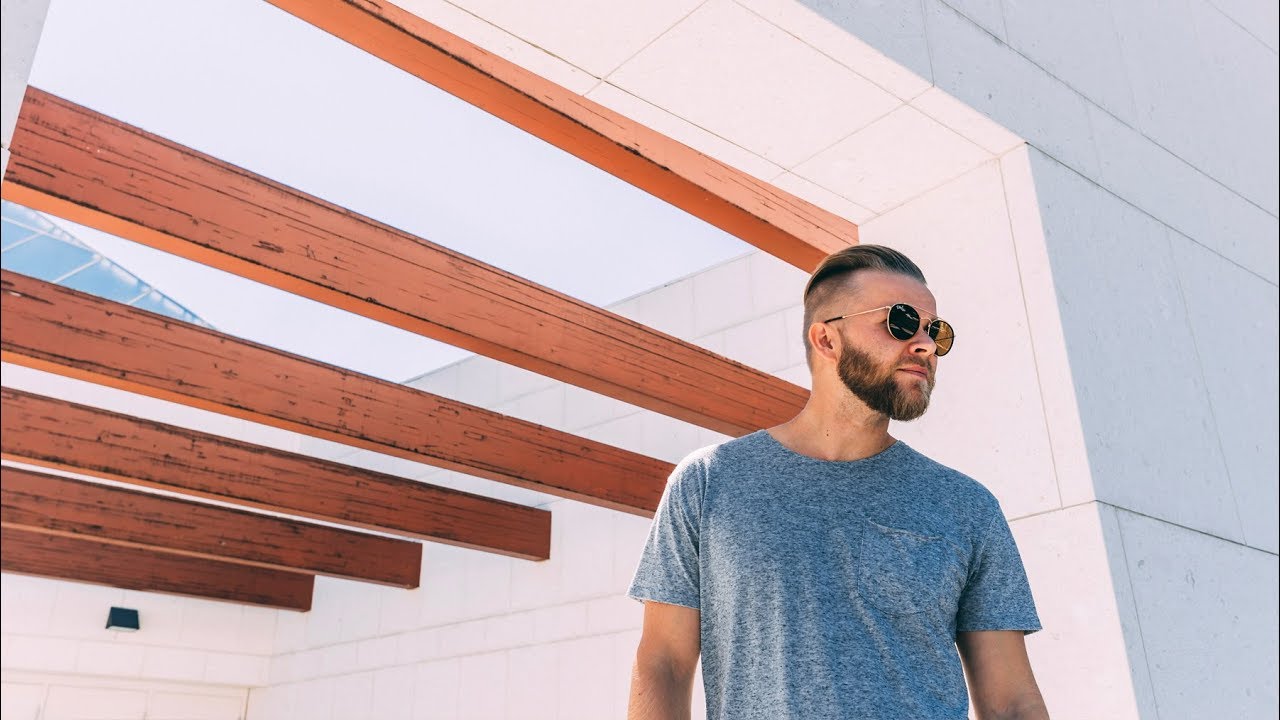
Stop Avoiding Overcast Days: Why Flat Light Is Perfect for Portrait Photography I’ve watched countless photographers pack up their gear the moment clouds roll in, convinced that good light has vanished for the day. I used to do the same thing. But after years of working in various conditions, I’ve learned that this assumption is completely backward. The truth is that overcast skies offer some of the most forgiving and beautiful light available to portrait photographers.

Using Your Camera as a Compass: What Ian Howorth Taught Me About Photographing Places You Don't Fully Understand Yet

Using Your Camera as a Compass: What Ian Howorth Taught Me About Photographing Places You Don't Fully Understand Yet

There’s a specific kind of restlessness I feel when I visit a new city and I can’t quite put my finger on what makes it itself. I’ve been in that situation more times than I can count, standing on a corner in some neighborhood I don’t know, camera in hand, unsure whether I’m seeing something worth capturing or just projecting my own expectations onto ordinary streets. It’s not a technical problem.

What Visiting a Canon Showroom Taught Me About Shooting With Intention

What Visiting a Canon Showroom Taught Me About Shooting With Intention

There’s a version of me from a few years ago who would have shown up to a once-in-a-lifetime shooting location with a dead battery and no backup plan. Actually, that’s not past tense. I did that exact thing on a trip to Iceland, standing in front of Skógafoss with a camera that had exactly four frames left before it gave up on me entirely. The location doesn’t matter if you’re not ready to shoot it.

How Tilt-Shift Lenses Change Perspective (And Why It's Not Just About Megapixels)

How Tilt-Shift Lenses Change Perspective (And Why It's Not Just About Megapixels)

Every Sunday morning I take a photo walk around Seattle, and I keep running into the same frustration: I want a wide environmental feel around my subject, but I don’t want the distortion and spatial stretching that comes with slapping a 16mm lens on my camera. The subject looks like they’re standing on the moon, everything pushed apart, the background practically a postage stamp. For a long time I thought the only fix was to shoot at a longer focal length and just accept a tighter frame.