Photography tips & techniques for every skill level

By Sarah Nakamura

Subscribe for Free Tips

Latest Articles

Tips.Photos

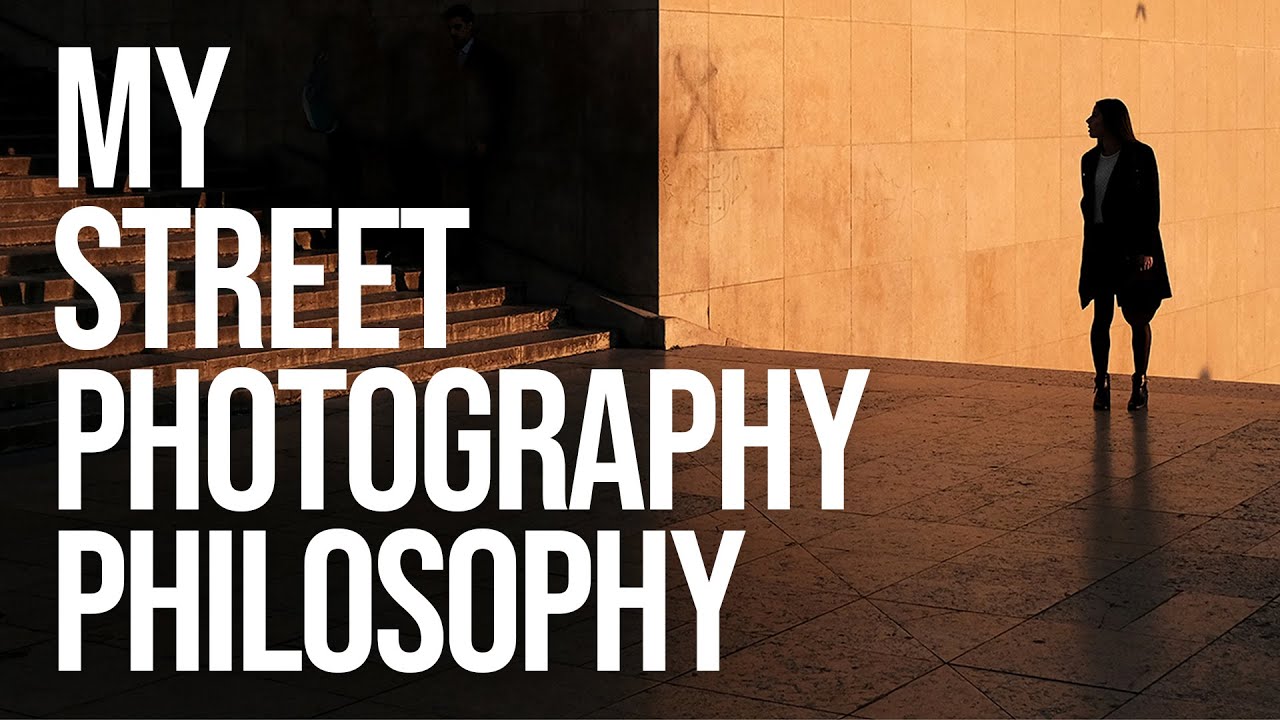
Street Photography Essentials: How to Capture Authentic Moments in Public Spaces

Street Photography Essentials: How to Capture Authentic Moments in Public Spaces Street photography has become my favorite way to explore the world. There’s something magical about capturing unscripted moments—a child’s laugh, the play of light on a wet sidewalk, or the interaction between strangers. If you’ve ever felt drawn to this style but weren’t sure where to start, I’m here to guide you through the fundamentals. Why Street Photography Matters Before diving into technique, I want to explain why this genre is so rewarding.

Understanding Focal Length: How Lens Choice Affects Your Images

When most beginners think about focal length, they think about zoom — how close or far away things appear. But focal length affects much more than magnification. It changes the spatial relationship between objects, the apparent depth of a scene, and the overall feel of your images. What Focal Length Actually Is Focal length, measured in millimeters, describes the optical distance between the lens and the sensor when focused at infinity.

Tips.Photos

Editing Photos on Your Phone: Best Apps and Techniques

You don’t need a computer to edit photos well. Mobile editing apps have become powerful enough for serious work, and for social media output, editing on your phone makes sense — the photos are already there and the output destination is on the same device. Here are the apps worth using and the techniques that matter most. The Best Apps Lightroom Mobile (Free / Premium) Adobe’s mobile version of Lightroom is the most capable photo editor on any phone.

Understanding Aperture: The Complete Beginner's Guide

If you’re just starting out in photography, aperture is one of the first concepts you’ll encounter — and one of the most important to understand. It affects how bright your photos are, how much of your scene is in focus, and the overall look and feel of your images. Let’s break it down in plain terms. What Is Aperture? Aperture is the opening inside your lens that lets light through to your camera’s sensor.

Tips.Photos

Photography Lighting for Beginners: Natural vs Artificial

Light is the raw material of photography. Understanding how to work with it — whether it comes from the sun or a flash — is the single biggest skill jump most beginners can make. Natural Light Natural light is sunlight, whether direct, reflected, or diffused through clouds. It’s free, abundant, and when used well, produces beautiful results. Advantages: No equipment needed Produces natural-looking skin tones Creates a mood that’s difficult to replicate artificially Constantly changing, which can inspire creative variety Challenges:

Street Photography Ethics and Techniques

Street photography sits at a unique intersection of art, documentation, and ethics. You’re capturing real people in real moments, often without their knowledge or consent. Doing it well requires both technical skill and a thoughtful approach to the people you photograph. The Ethical Framework Street photography in public spaces is legal in most countries. But legal and ethical aren’t the same thing. Here’s the framework I use. Respect dignity. Don’t photograph people in moments of vulnerability, distress, or embarrassment for entertainment value.

Tips.Photos

The Best Camera Settings for Family Photos

Family photos are high-stakes in a way that other photography isn’t. You’re capturing moments that matter to people, often with uncooperative subjects (kids), limited time, and imperfect conditions. The right camera settings help you work fast and get consistently good results. The Settings That Matter Most Aperture: Not Too Wide It’s tempting to shoot wide open (f/1.8 or f/2) for that creamy background blur. But with groups of people, a shallow depth of field means some family members will be sharp and others will be soft.

How to Shoot in Manual Mode: A Practical Guide

Shooting in manual mode sounds intimidating, but it’s really just making three decisions: aperture, shutter speed, and ISO. Once you understand what each one does and how they interact, manual mode becomes a logical, straightforward process. The Three Decisions Every exposure requires you to balance three settings: Aperture controls how much light enters through the lens and how much of the scene is in focus (depth of field). Wide apertures (f/1.

Tips.Photos

How to Take Sharp Photos Every Time

Soft photos are the most frustrating problem in photography because there are so many possible causes. The image looks fine on the camera’s screen, but when you view it on a computer, it’s disappointingly blurry. Here’s a systematic approach to diagnosing and fixing sharpness issues. The Three Causes of Soft Photos Every soft photo is caused by one of three things: camera shake, missed focus, or poor lens performance. Identifying which one is the culprit tells you exactly what to fix.

The Rule of Thirds and When to Break It

The rule of thirds is the first composition technique most photographers learn. It’s taught in every beginner photography class and mentioned in every introductory article. And for good reason — it works. But understanding why it works helps you know when to follow it and when to deliberately break it for a stronger image. How the Rule of Thirds Works Imagine dividing your frame into nine equal rectangles with two horizontal and two vertical lines, like a tic-tac-toe grid.

Tips.Photos

Understanding ISO: The Third Pillar of Exposure

You’ve learned about aperture and shutter speed. ISO is the third variable in the exposure triangle, and it’s the one most photographers understand least clearly. Let’s fix that. What ISO Actually Does ISO controls your camera sensor’s sensitivity to light. A higher ISO number means the sensor amplifies the signal more, making the image brighter. A lower ISO number means less amplification, producing a darker image from the same amount of light.

Portrait Photography Tips for Natural-Looking Results

The best portraits don’t look posed. They look like candid moments captured at exactly the right time. But that natural, effortless look is the result of deliberate technique. Here’s how to get portraits that feel genuine. Lighting for Natural Portraits Natural light is your best friend for natural-looking portraits. It creates a quality that’s hard to replicate with flash — soft gradients, gentle shadows, and a warmth that feels organic.

Never Miss a Tutorial

Join our newsletter and get weekly tips, tutorials, and exclusive content.

Subscribe Now