How to Actually See the Forest (And Stop Forcing Shots That Aren't There)

How to Actually See the Forest (And Stop Forcing Shots That Aren't There)

Forest photography has a way of humbling you fast. I’ve walked into beautiful woodland scenes with a full bag of gear and walked out with nothing I wanted to keep. The problem was never the forest. It was me, rushing, forcing compositions that looked good in my head but fell flat on the sensor. I’d frame up a shot, decide it wasn’t working, move twenty feet, try again, and repeat until the light was gone.
Why a Golf Ball Might Be the Best Lighting Teacher You've Never Used

Why a Golf Ball Might Be the Best Lighting Teacher You've Never Used

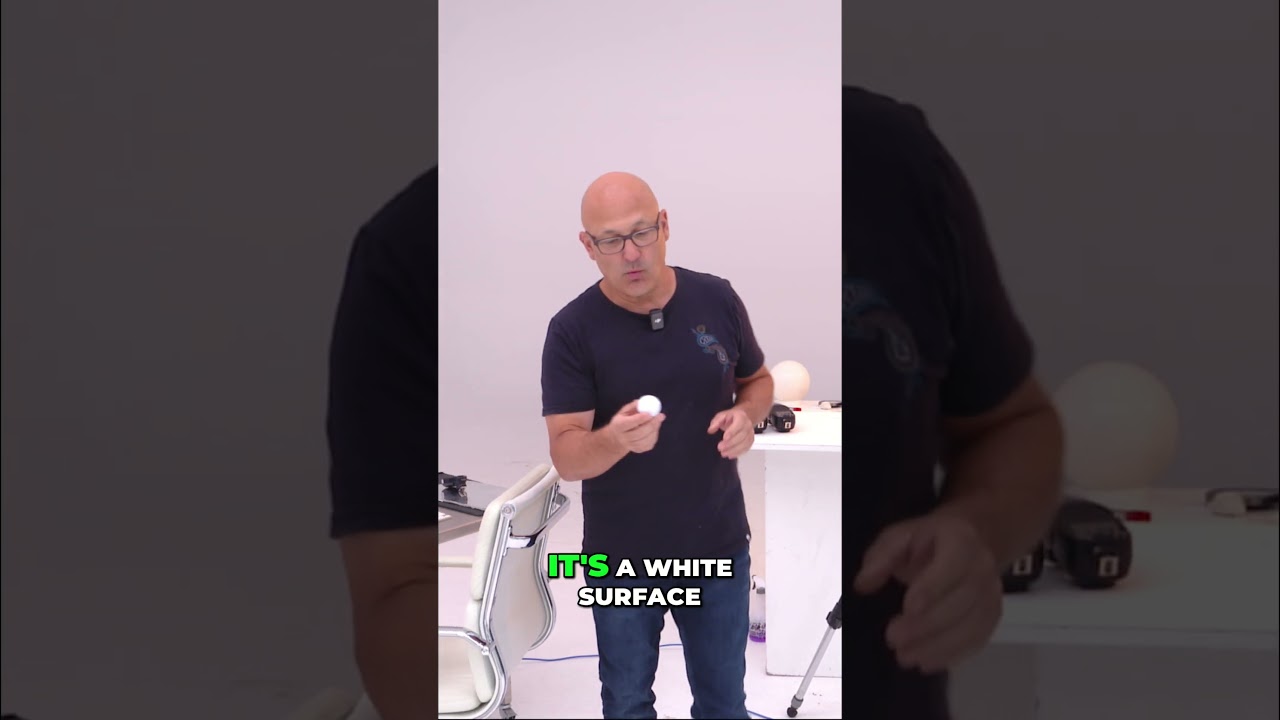
I’ve been photographing products on and off for years, mostly to supplement travel work during slow seasons. And the thing that tripped me up the longest wasn’t gear or editing. It was learning to read light before I set anything up. I’d arrange my softbox, place the subject, take a test shot, and then spend twenty minutes moving things two inches at a time wondering why it still looked flat. What I was missing was a simple, unforgiving subject that would show me exactly what the light was doing.

Why the Nikon Z 28-135mm f/4 PZ Lens Deserves Your Attention

Why the Nikon Z 28-135mm f/4 PZ Lens Deserves Your Attention

Why the Nikon Z 28-135mm f/4 PZ Lens Deserves Your Attention When you’re building a camera system, one of the biggest decisions is figuring out which lenses will actually get used versus which will sit on a shelf. As someone who works regularly with video and still photography, I’m always evaluating gear through the lens of practicality. Recently, I spent considerable time testing the Nikon NIKKOR Z 28-135mm f/4 PZ lens, and I want to share what I discovered about this intriguing option.

How to Use Flash Triggers and Sound Sensors to Finally Capture Split-Second Moments

How to Use Flash Triggers and Sound Sensors to Finally Capture Split-Second Moments

There’s a specific kind of frustration that lives in action photography. You press the shutter at exactly the right moment - or so you thought - and the image either shows nothing happening yet or the moment has already passed. I’ve been there more times than I want to count. The problem isn’t your reflexes, necessarily. It’s that human reaction time has a ceiling, and physics doesn’t care about your creative vision.

Why Changing Your Location Might Be the Best Photography Lesson You Never Planned

Why Changing Your Location Might Be the Best Photography Lesson You Never Planned

There’s a version of me from a few years ago who had Seattle completely figured out, photographically speaking. I knew which corners of Pike Place caught the best morning light, which rainy-day reflections looked best on Broadway, and exactly what time the ferries created that perfect silhouette against the sound. It felt like mastery. Looking back, it was actually a trap. I stumbled onto this exact idea while watching a recent tutorial from Sean Tucker, a photographer whose thoughtful, reflective approach to the craft I genuinely admire.

10 Film Photographers You Should Be Following Right Now (And What They Taught Me About Shooting Film)

10 Film Photographers You Should Be Following Right Now (And What They Taught Me About Shooting Film)

I’ve been shooting digital for years, and somewhere along the way I convinced myself that film was this intimidating, gatekept world I wasn’t ready for. Too many settings I didn’t understand. Too much money wasted on bad exposures. Too many things I couldn’t just fix in Lightroom later. What finally cracked that wall open for me wasn’t a manual or a course. It was watching other photographers who were further down the road share exactly who had taught them and why.

How the Distance Between Your Light and Subject Changes Everything (And Not Just Brightness)

How the Distance Between Your Light and Subject Changes Everything (And Not Just Brightness)

I’ve been shooting long enough to know that most lighting problems aren’t actually exposure problems. But I had to relearn that lesson recently when I was working on some indoor lifestyle shots and couldn’t figure out why two setups that looked identical on my histogram felt completely different in the final image. Same subject, same aperture, same shutter speed. One had this beautiful, sculpted quality to the shadows. The other looked flat in a way I couldn’t immediately explain.

The Light Size Rule That Changed How I Think About Every Single Shot

The Light Size Rule That Changed How I Think About Every Single Shot

Last week I was shooting a friend’s brand launch outdoors, and the light was doing that infuriating thing where it looked gorgeous to my eye but flat and clinical on the back of my camera. I had a speedlight in my bag, I had a small diffusion panel, and I still couldn’t figure out why the images felt lifeless. I knew the answer was somewhere in my understanding of light quality, but I couldn’t quite put my finger on the mechanical reason.

How Street Photography Became My Mental Health Practice (And How It Can Become Yours)

How Street Photography Became My Mental Health Practice (And How It Can Become Yours)

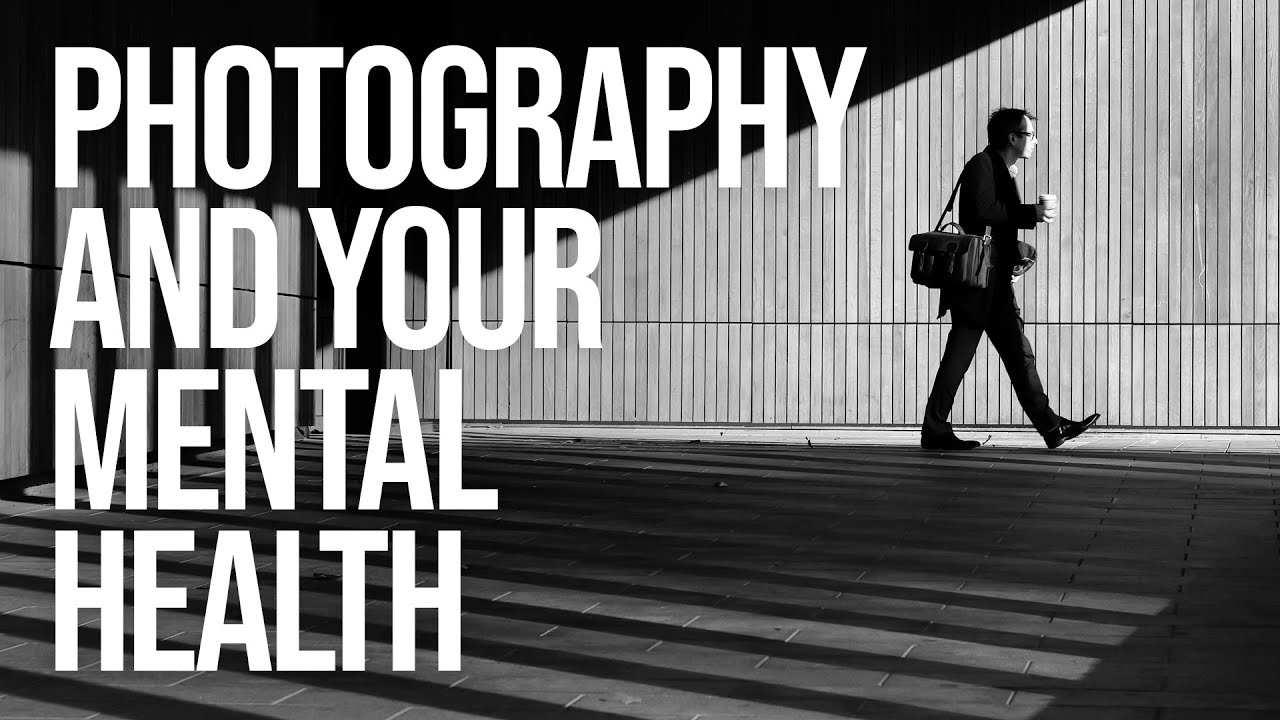
Every Sunday morning I do a photo walk. Rain, shine, or the classic Seattle grey drizzle that falls somewhere between both. I started this tradition partly for the creative practice, but I kept it going because of how I feel when I come home. Clearer. Quieter. Like something that was coiled up has been allowed to unwind. I didn’t have a good framework for explaining why that happened until I watched this interview.

Your iPhone Is Too Good at Photography (And That's the Problem)

Your iPhone Is Too Good at Photography (And That's the Problem)

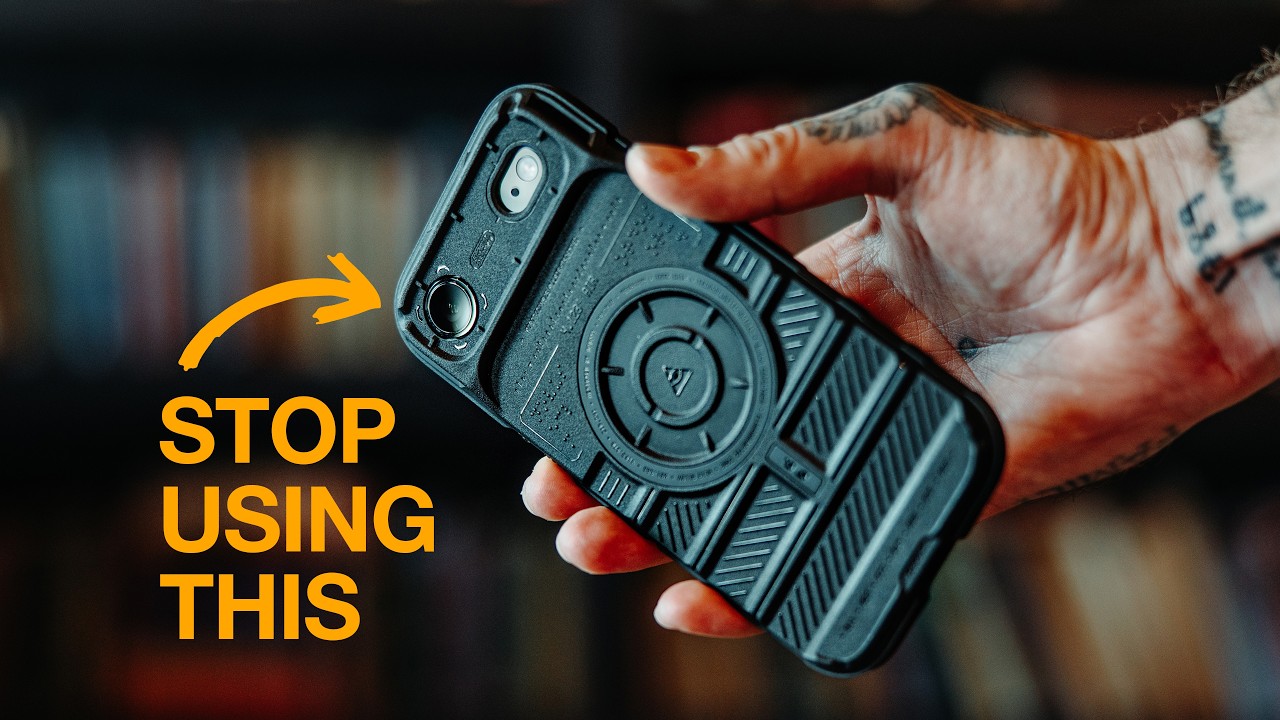
Every few months I catch myself defaulting back to my phone. Not because my mirrorless is too heavy to carry, but because the iPhone just works. It’s fast, it’s always in my pocket, and honestly, the results look good enough to post without touching them in Lightroom. That convenience, I’ve come to realize, is exactly the trap. Watch the full tutorial on YouTube In this Peter McKinnon video, he sits down with a fellow photographer and drops what he calls a hot take: the iPhone isn’t a real camera, and we should stop treating it like one.

How to Use Adobe Camera Raw as a Full Editing Suite Inside Photoshop

How to Use Adobe Camera Raw as a Full Editing Suite Inside Photoshop

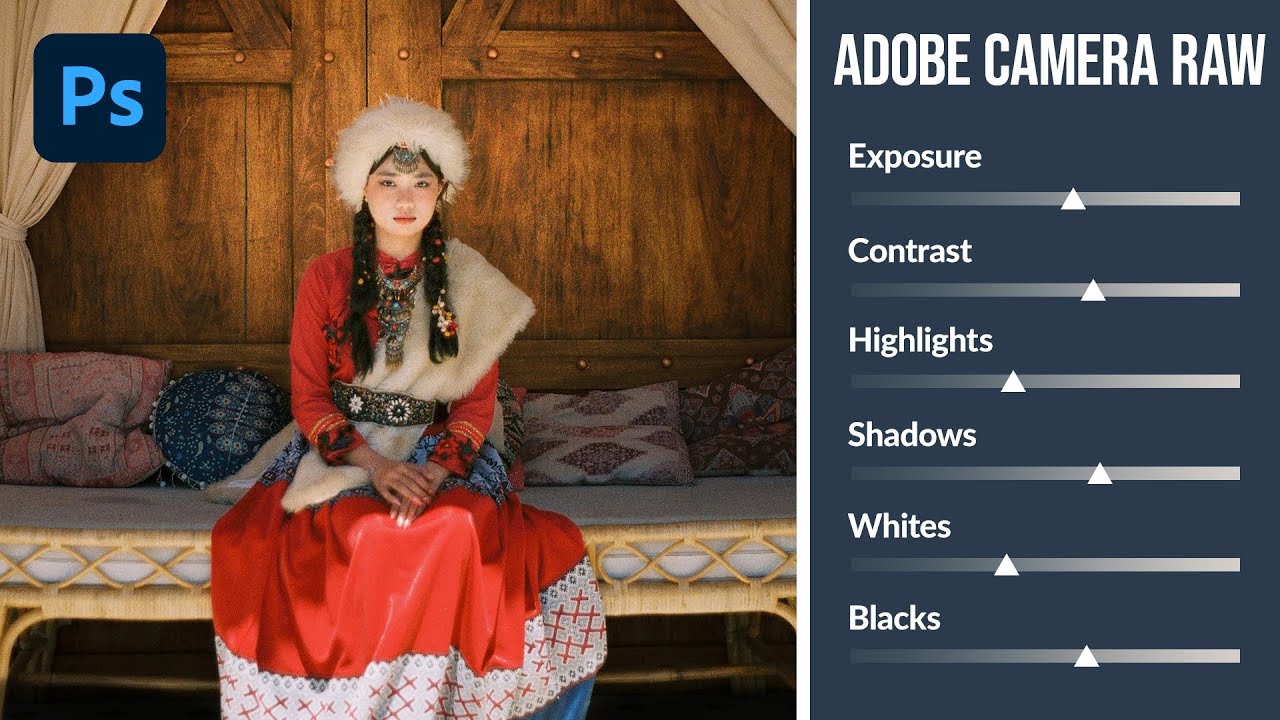
If you’ve ever felt like Lightroom and Photoshop exist in two separate universes that you have to keep shuttling between, this workflow is going to feel like a relief. For years I edited portraits in Lightroom, exported a TIFF, dragged it into Photoshop for any compositing or retouching work, then realized I needed to tweak the exposure again and had to start the whole round-trip over. It was tedious, and honestly it made me avoid certain edits just because the back-and-forth wasn’t worth it.

Why Your Bird Photos Look Crooked (And the Water-Level Fix That Changes Everything)

Why Your Bird Photos Look Crooked (And the Water-Level Fix That Changes Everything)

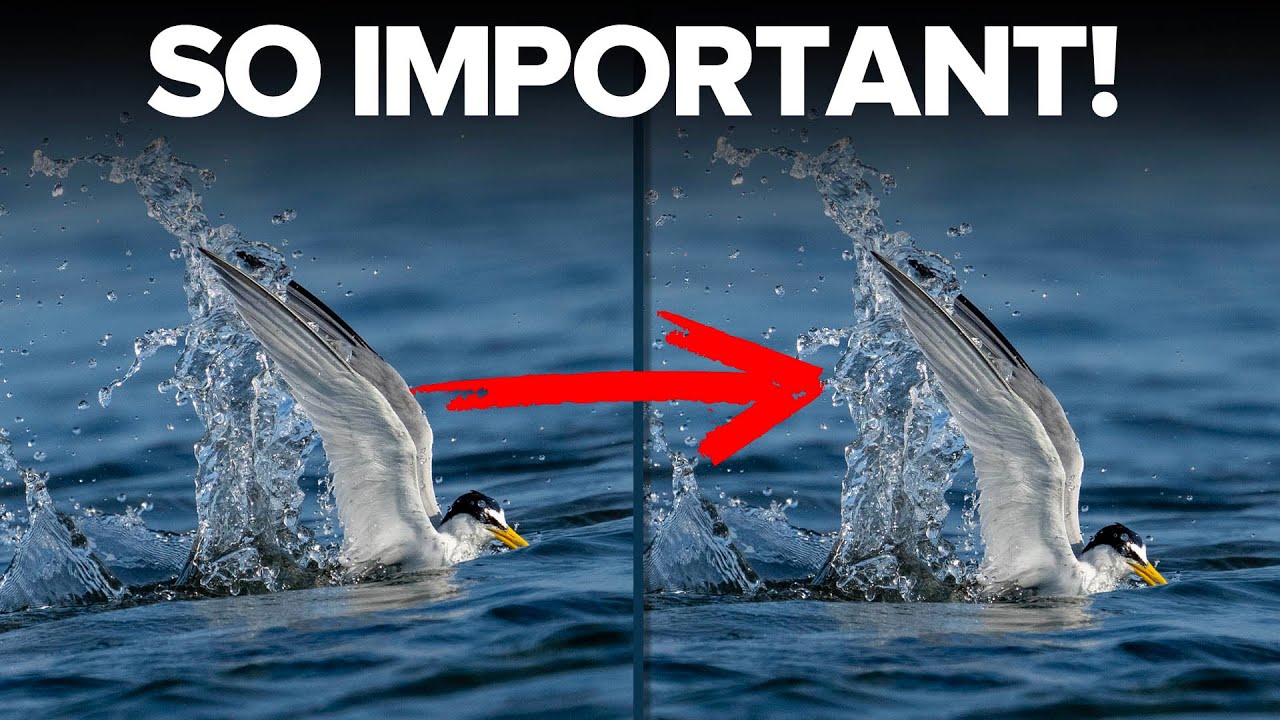
Every Sunday morning I’m out walking with my camera, and shorebirds near the water are some of my favorite subjects. I’ve spent more Sunday mornings than I’d like to admit standing at the edge of Puget Sound, thrilled with a shot in the field, only to get home and feel like something is subtly off about the image. The bird is sharp. The light is good. But the whole frame feels like it’s sliding to one side.