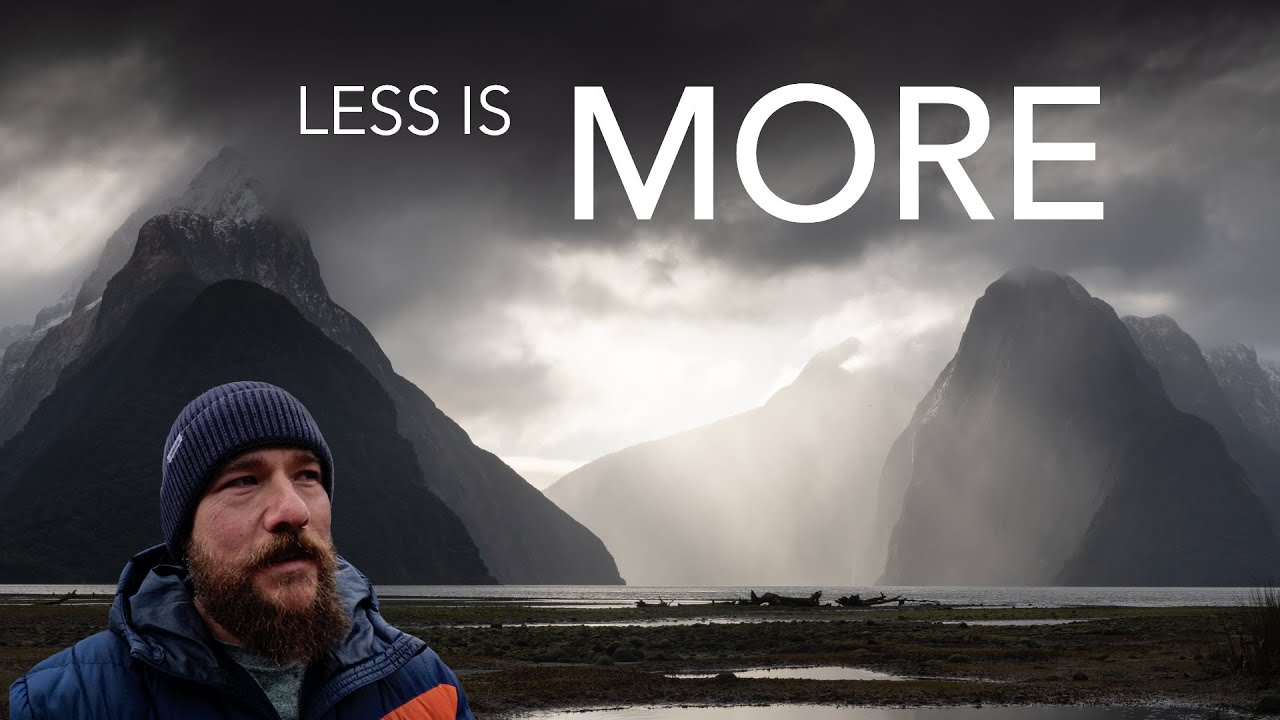
Stop Overthinking It: How William Patino Shoots and Edits with Joyful Simplicity

Stop Overthinking It: How William Patino Shoots and Edits with Joyful Simplicity

Forest photography is one of those situations that can absolutely paralyze you. There’s too much going on, the light changes every thirty seconds, and every direction you point the camera feels like both a great idea and a terrible one simultaneously. I know that feeling well. I once spent four days in Olympic National Park circling the same grove of trees, convinced that if I just waited long enough, everything would click into place.
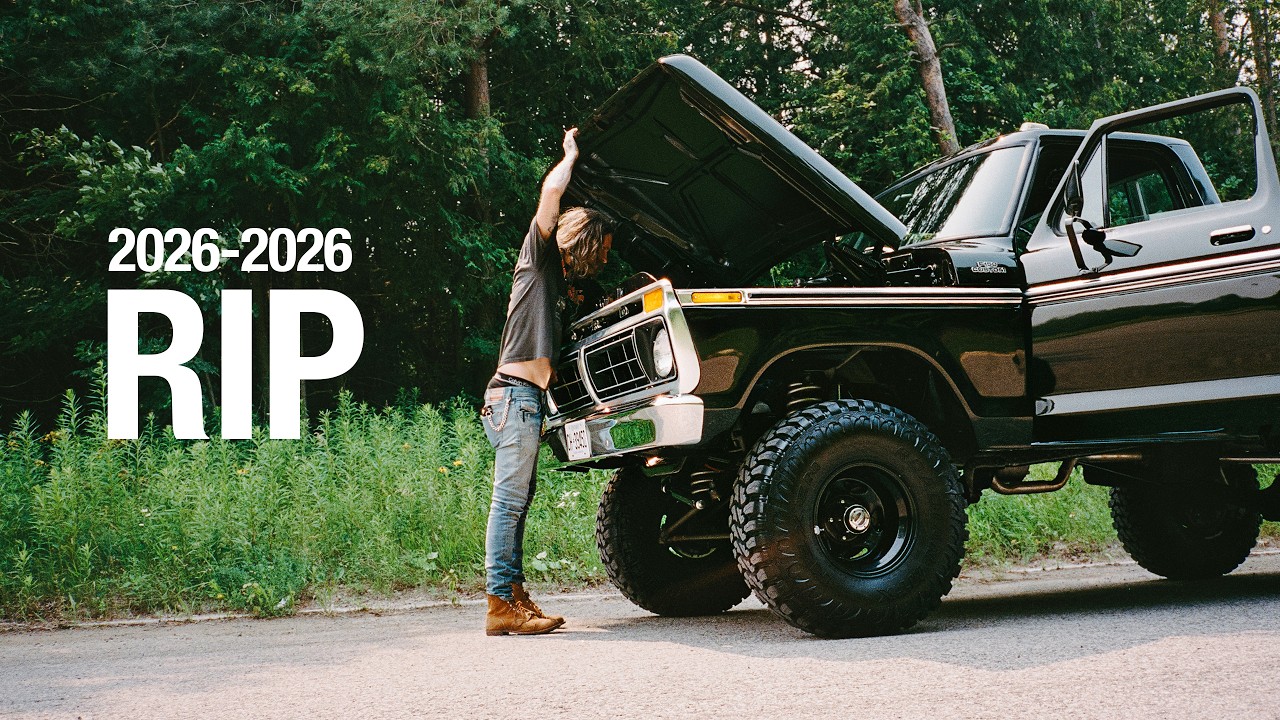
When Your Classic Car (or Your Shot) Just Won't Fire: Lessons from Peter McKinnon's Looks Can Be Deceiving

When Your Classic Car (or Your Shot) Just Won't Fire: Lessons from Peter McKinnon's Looks Can Be Deceiving

There’s a particular kind of frustration that every photographer knows. Everything looks right. The light is good, your composition is solid, your settings are dialed. And yet something is off and you can’t name it. The image just won’t breathe. I’ve been there on rainy Sunday mornings in Seattle, standing in front of a scene that should be working, cycling through my camera menu like I’m looking for a missing sock.

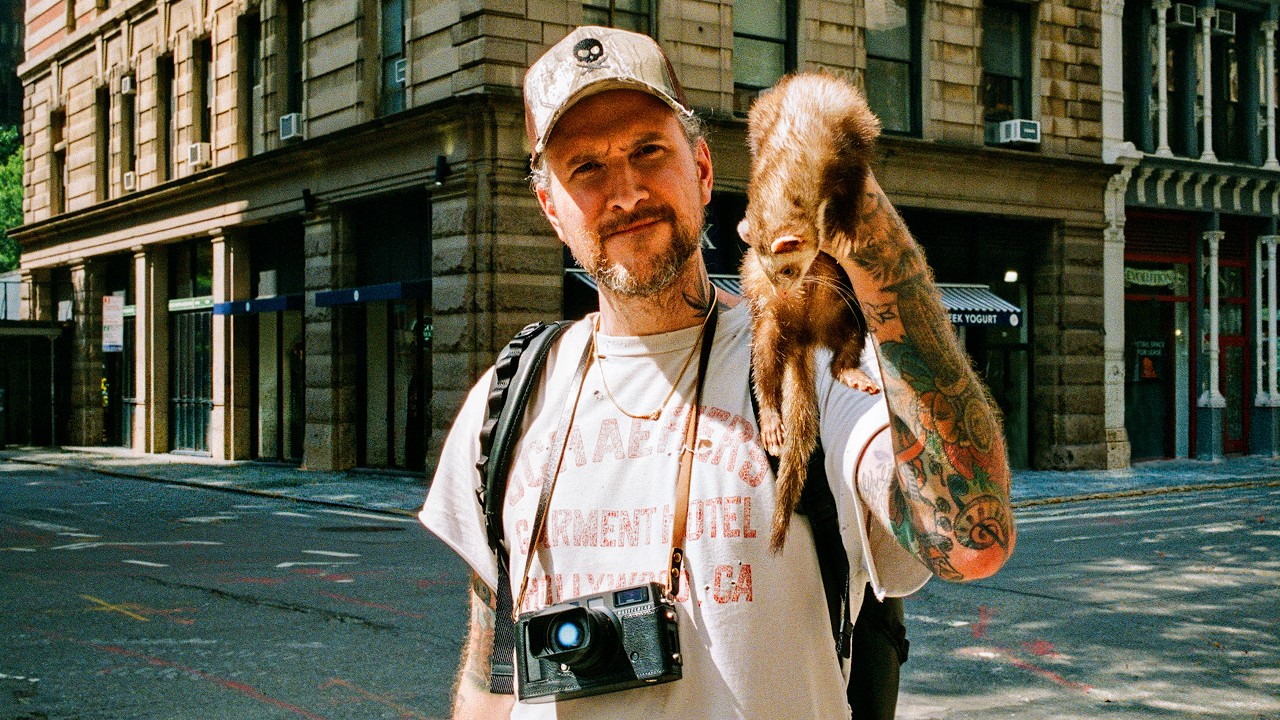
Zone Focus, Film Burns, and Honest Editing: What Peter McKinnon's NYC Street Shoot Taught Me

Zone Focus, Film Burns, and Honest Editing: What Peter McKinnon's NYC Street Shoot Taught Me

Every Sunday morning I take a photo walk. No client, no brief, just me and whatever camera I grab off the shelf. For a long time, those walks felt like practice without a destination because I was still thinking like a studio shooter. I’d wait for perfect light, fuss over focus, and come home with twelve technically fine images and zero soul. What I was missing was the street shooter’s mindset: decide your settings, commit to your zone, and let the city do the rest.

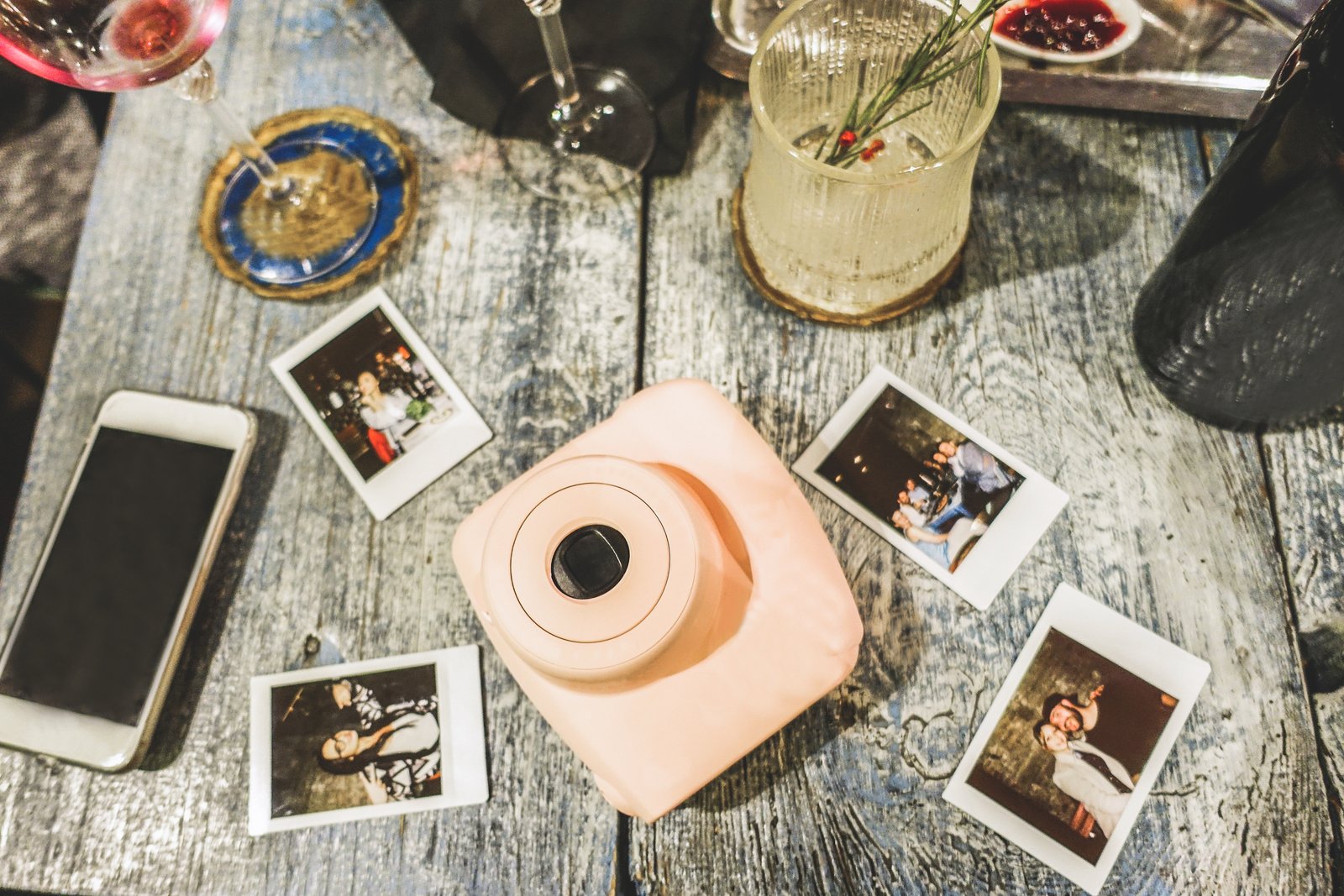
Affordable Instant Photography Just Got More Accessible: What You Need to Know About Budget-Friendly Instant Cameras

Affordable Instant Photography Just Got More Accessible: What You Need to Know About Budget-Friendly Instant Cameras

Making Instant Photography Accessible to Everyone I’ve watched instant film photography make a remarkable comeback over the past decade, and I’m thrilled to see manufacturers responding to demand by creating genuinely affordable options. Recently, I came across some exciting news that reinforces this trend: compact instant cameras are now available at price points that won’t intimidate beginners or drain your budget. Why This Matters for New Photographers When I started mentoring beginner photographers, cost was always a barrier to trying instant film.

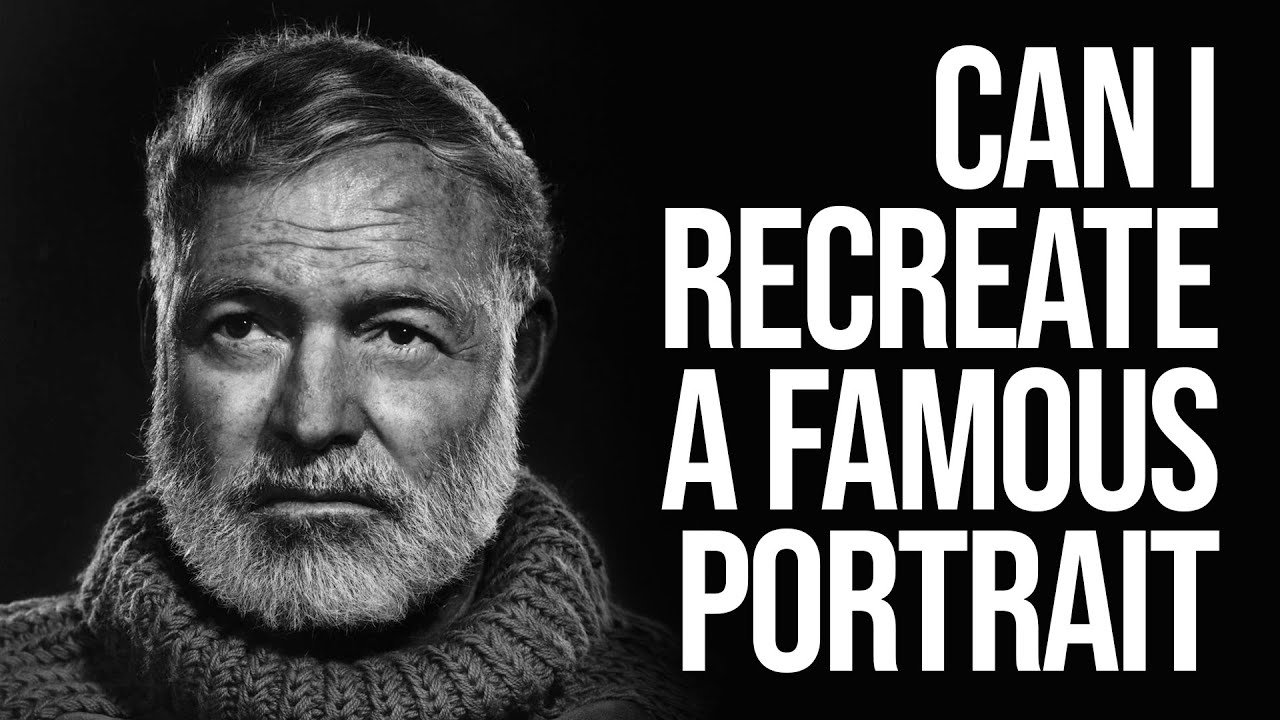
How to Reverse-Engineer Iconic Portrait Lighting (And Why You Should Try It)

How to Reverse-Engineer Iconic Portrait Lighting (And Why You Should Try It)

One skill that separates photographers who grow quickly from those who plateau is the ability to look at a finished image and work backward. Not just admire it, but actually read it. Where is the light coming from? How many sources? What quality? What angle? I learned this the hard way over years of Sunday morning photo walks, squinting at images I admired and having no real framework for understanding what I was seeing.

Stop Chasing Bangers: What Peter McKinnon's Viral Rant Taught Me About Posting Better Photos

Stop Chasing Bangers: What Peter McKinnon's Viral Rant Taught Me About Posting Better Photos

There’s a trap I fell into for a long time, and if you’ve been shooting for more than six months and posting regularly, you’ve probably fallen into it too. Every photo I shared had to be better than the last one. Every Sunday walk had to produce something jaw-dropping, something scroll-stopping, something worth the caption I’d spend twenty minutes writing. When it didn’t, I’d just… not post. And then the gap between posts would grow, and the pressure would compound, and eventually photography started to feel like a job I wasn’t getting paid for.

How to Brighten Your Photos for Print (Without Blowing Out Your Edits)

How to Brighten Your Photos for Print (Without Blowing Out Your Edits)

There is a specific kind of disappointment that hits when you pick up a print order and the image looks like it was shot in a cave. You edited it perfectly on your monitor. It looked rich and moody and exactly right. Then it came back from the lab dark, flat, and missing half the shadow detail you spent an hour coaxing out in post. I have been there more than once, and for a long time I chalked it up to “the lab” as if it were some mysterious force beyond my control.

Master Exposing to the Left to Unlock Better Photo Quality

Master Exposing to the Left to Unlock Better Photo Quality

Master “Exposing to the Left” to Unlock Better Photo Quality When I first heard photographers talking about “exposing to the left,” I’ll admit I was confused. It sounded mysterious and unnecessarily complicated. But after diving deeper into this exposure strategy, I realized it’s actually one of the most practical tools available to improve your final images—especially if you shoot in RAW format. What Does “Exposing to the Left” Actually Mean? Let me break this down simply.

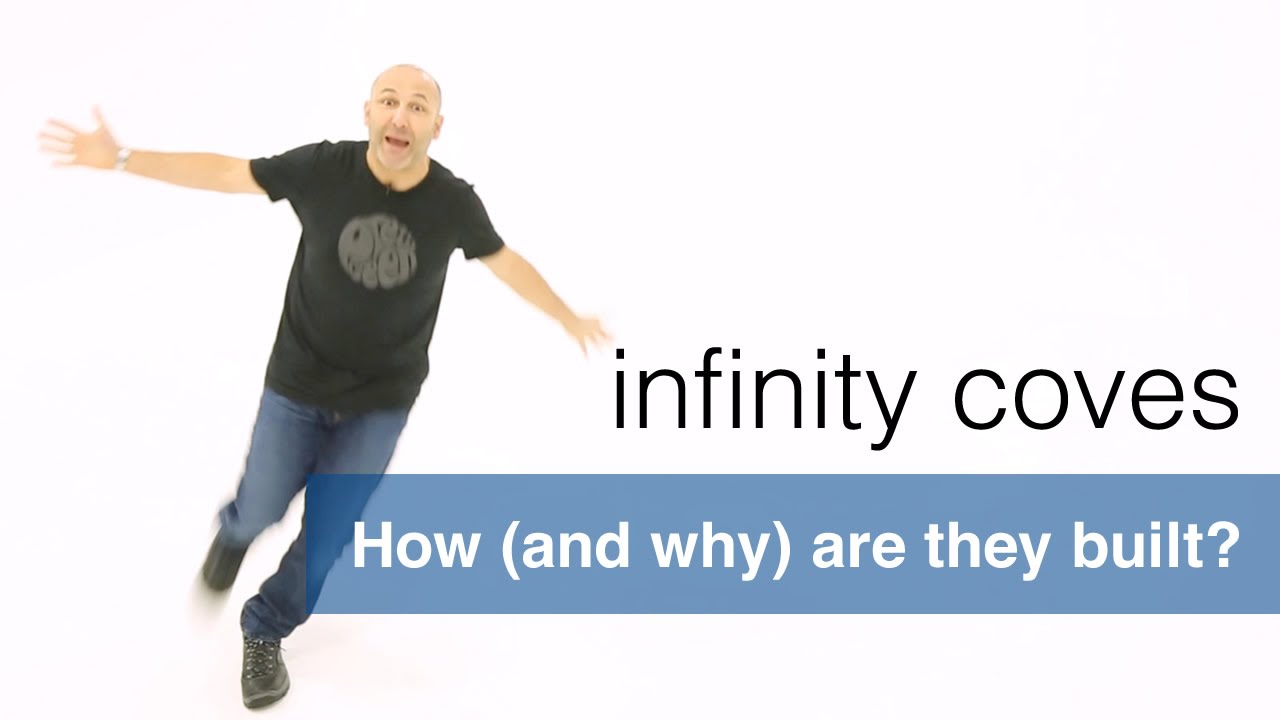
How to Build a Professional Infinity Cove (And Why It Changed How I Think About Studio Backgrounds)

How to Build a Professional Infinity Cove (And Why It Changed How I Think About Studio Backgrounds)

There is a specific frustration that comes with shooting products or full-body portraits against a regular wall. No matter how carefully you light the scene, you get a shadow line where the wall meets the floor, a hard edge that breaks the illusion of infinite space. You can fix it in post, sure, but that adds hours to a job that should feel clean from the start. I have spent more editing sessions than I care to admit painting out that corner crease, and every time I think: there has to be a better way to just build the thing right.

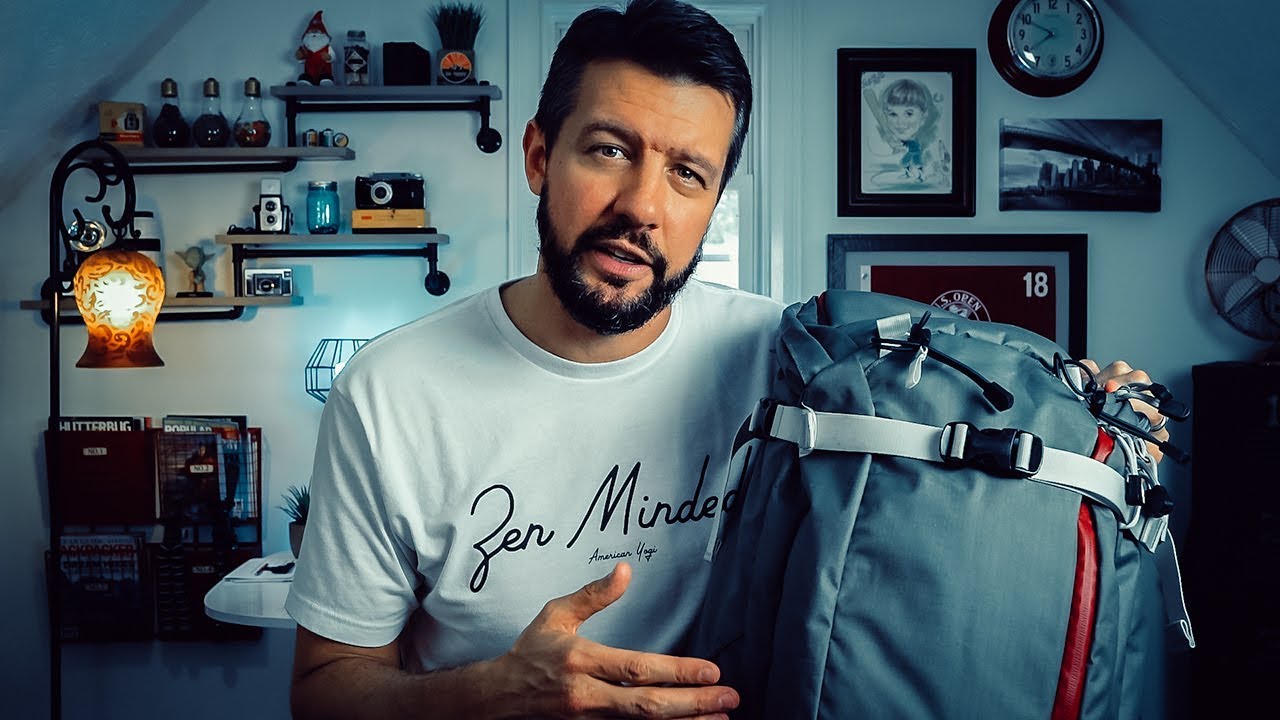
Is the F-Stop Ajna the Right Camera Bag for Landscape Photographers? Here's What Eight Months of Real Use Looks Like

Is the F-Stop Ajna the Right Camera Bag for Landscape Photographers? Here's What Eight Months of Real Use Looks Like

I have a complicated relationship with camera bags. I’ve owned probably a dozen of them over the years, and every single one was “the one” until it wasn’t. Too small for a full day out, too heavy for a quick street session, zippers that catch on everything, straps that dig in after two miles. When you’re hiking to a location before sunrise with your whole kit on your back, a bad bag isn’t just annoying - it actively gets in the way of making good images.

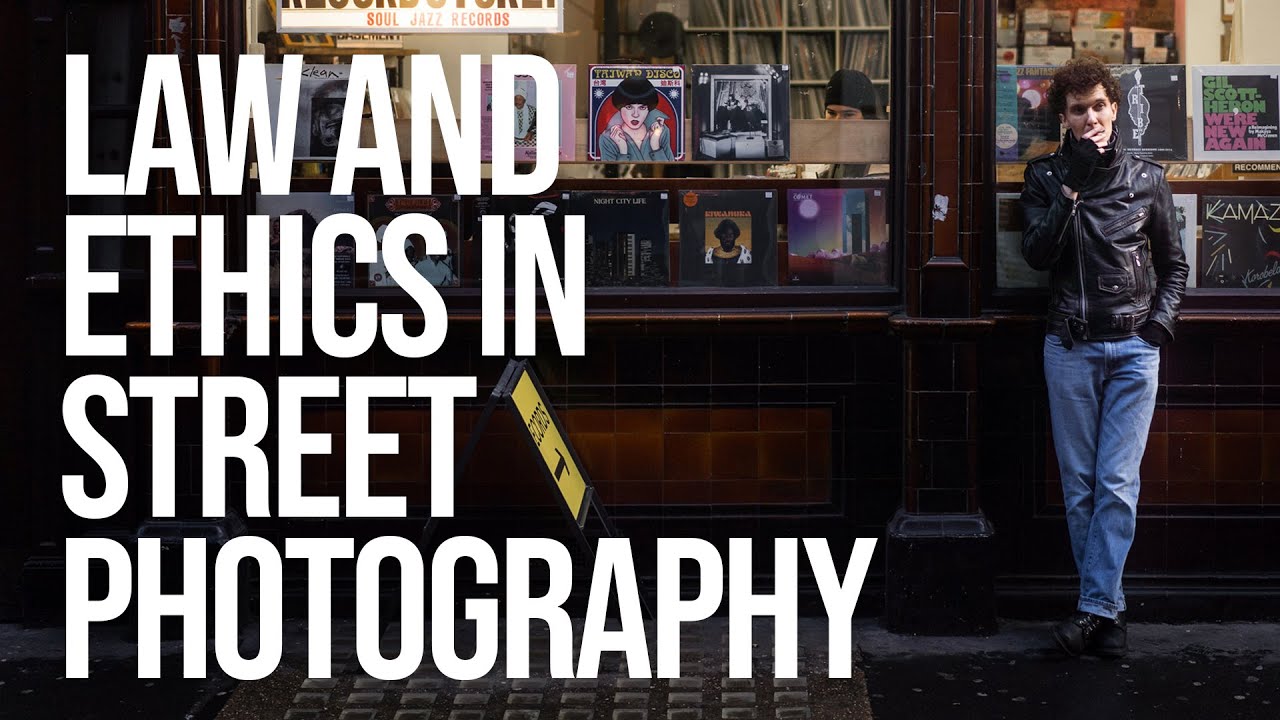
Street Photography and the Law: What You Actually Need to Know Before You Shoot

Street Photography and the Law: What You Actually Need to Know Before You Shoot

Every time I post a street photo on Instagram where someone’s face is clearly visible, I brace myself. Not because I’ve done anything wrong, but because the comments section turns into a courtroom. “Did you get their permission?” “Isn’t this illegal?” “What about GDPR?” I used to fumble through responses, half-confident in my answers. I knew enough to keep shooting, but not enough to explain myself clearly. That changed when I sat down with this Sean Tucker tutorial on law and ethics in street photography.

Protecting Your Photography: What Recent Security Threats Mean for Creative Professionals

Protecting Your Photography: What Recent Security Threats Mean for Creative Professionals

Why Photographers Need to Care About Cybersecurity I’ve been thinking a lot lately about the intersection of creativity and security. As photographers, we store our most valuable work—and personal information—on our devices. That’s why I want to talk about something that might seem outside our usual realm of f-stops and composition: the growing threat of spyware targeting everyday users. Recently, major tech companies have begun alerting users about sophisticated mercenary spyware attempts.