How to Shoot Street Photography When the Light Is Terrible (And Make It Work)

How to Shoot Street Photography When the Light Is Terrible (And Make It Work)

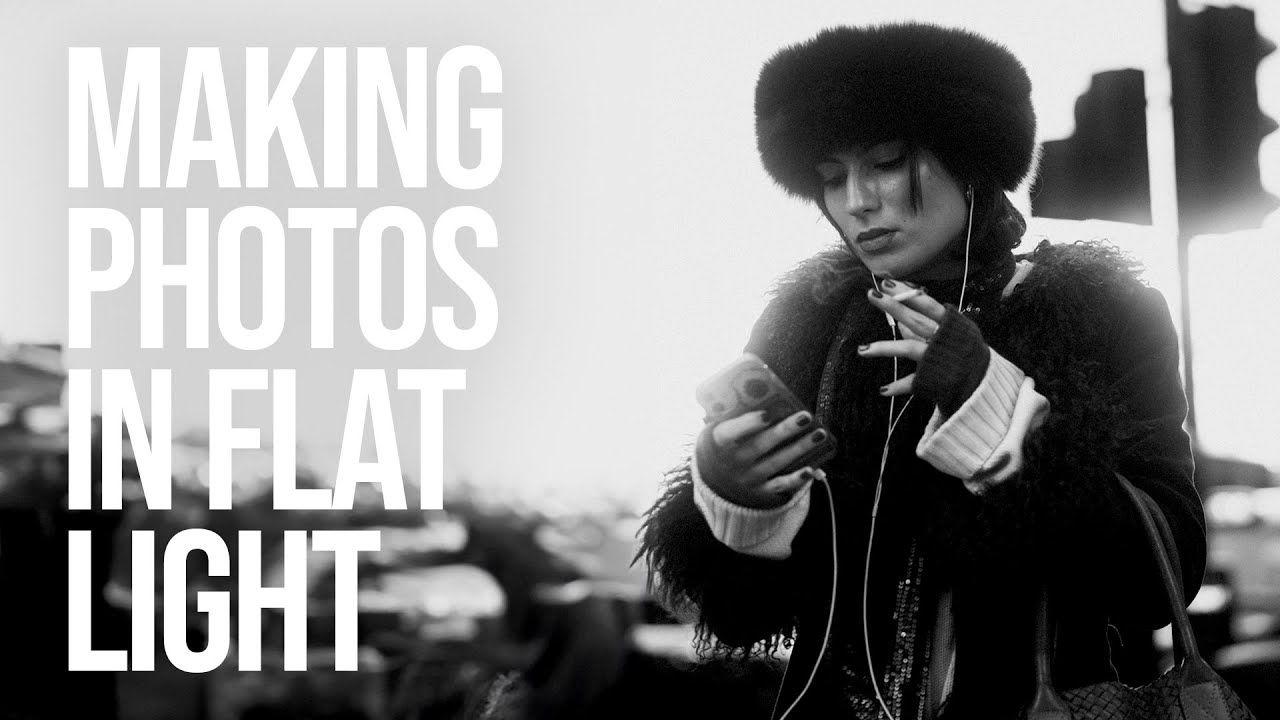
Sunday morning photo walks in Seattle are not always the golden-hour dream you see on Pinterest. Half the time I’m out there squinting into a flat white sky, wondering why I dragged myself out of bed. For a long time, overcast days felt like wasted shooting time. I’d pack up early, go home, make coffee, and tell myself I’d try again when the light was better. That habit cost me a lot of good images.

5 Photography Habits That Will Change How You See a Shot (Based on Peter McKinnon's Best Advice)

5 Photography Habits That Will Change How You See a Shot (Based on Peter McKinnon's Best Advice)

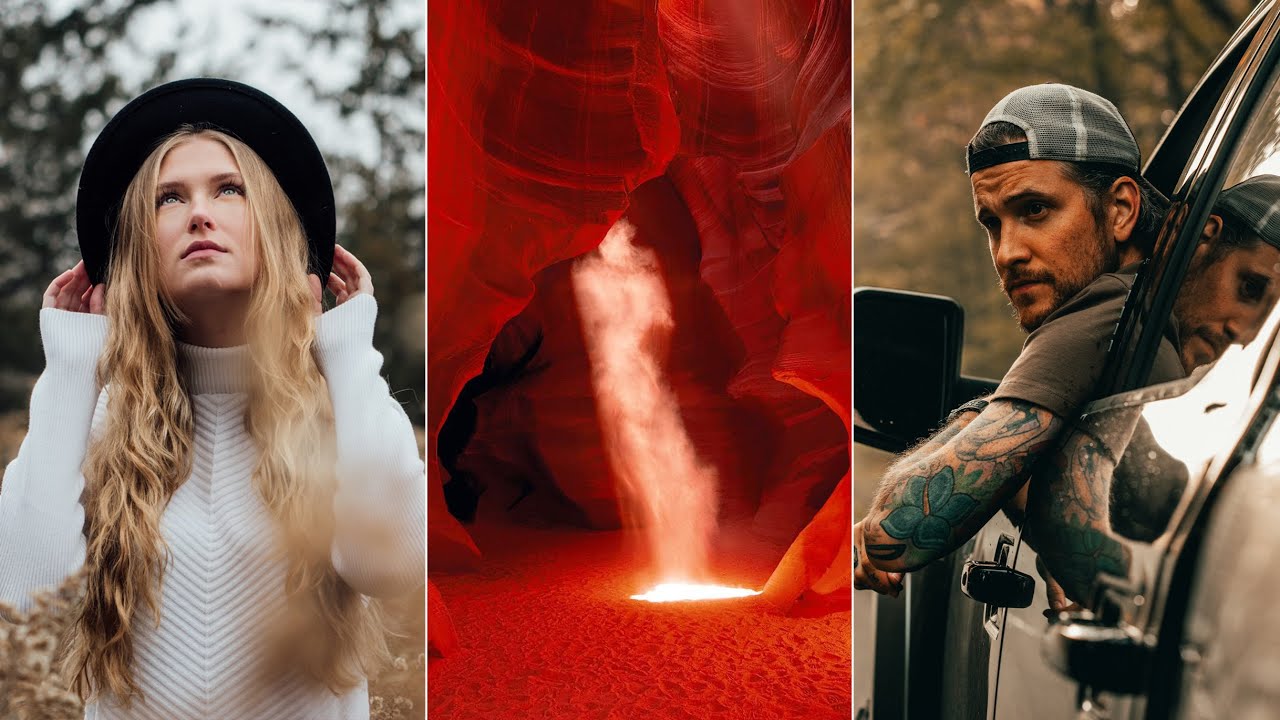
Every Sunday morning I take a photo walk through my neighborhood in Seattle. No agenda, no client, no pressure. Just me and whatever camera I feel like carrying that day, sometimes my mirrorless, sometimes honestly just my phone. And even after years of shooting professionally, I still catch myself falling into lazy habits: same eye level, same angle, same safe composition. Which is exactly why I sat down with this Peter McKinnon tutorial a while back and ended up taking notes like I was back in school.

How to Photograph Rainforest Waterfalls in Bad Weather (And Why You Should Go Anyway)

How to Photograph Rainforest Waterfalls in Bad Weather (And Why You Should Go Anyway)

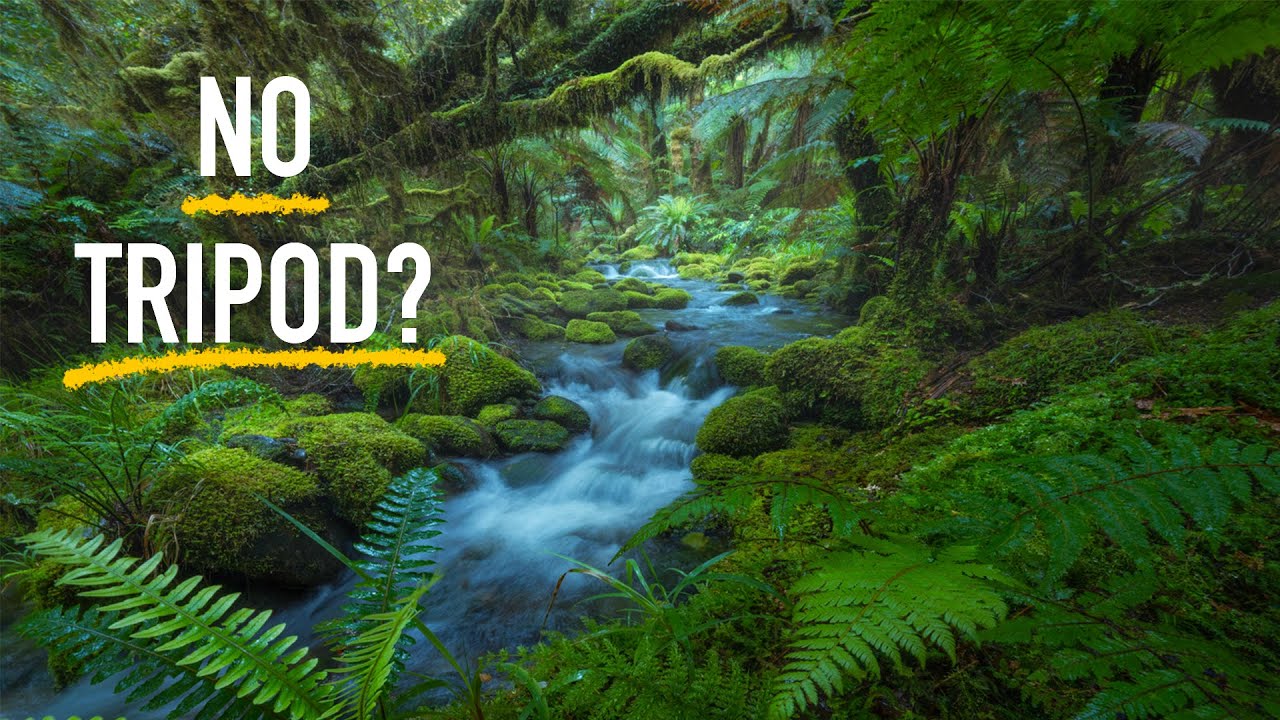
I once spent an entire vacation chasing a single waterfall shot. Every evening, my dinner went cold while I crouched in wet boots adjusting my tripod by millimeters. My family thought I’d lost my mind. But here’s the thing I kept trying to explain: waterfalls only look that good after heavy rain. The flow is fuller, the rocks are slick and dark, the ferns are dripping and lush. The miserable conditions are the whole point.

Do Vintage Canon Primes Still Deliver Better Portraits Than Modern Lenses?

Do Vintage Canon Primes Still Deliver Better Portraits Than Modern Lenses?

Do Vintage Canon Primes Still Deliver Better Portraits Than Modern Lenses? I recently conducted a portrait photography experiment that many of you have probably wondered about yourselves: can a 20-year-old Canon EF f/1.2 prime really outperform its modern RF replacement? This question comes up constantly in photography forums and communities. Plenty of working portrait photographers still swear by their older EF lenses, adapting them to newer Canon bodies rather than upgrading to the latest RF versions.

How to Read Light in the Field: Lessons from a Day of Autumn Landscape Photography

How to Read Light in the Field: Lessons from a Day of Autumn Landscape Photography

Every Sunday morning I do a photo walk. It started as a way to stay sharp between paid shoots, but it’s turned into the single best thing I do for my photography. The problem I kept running into, especially in the early days, was showing up to a beautiful location and coming home with nothing. The light was fine, the scenery was there, but I had no framework for how to find a shot when one wasn’t obviously presenting itself.

Feeling Stuck in Your Street Photography? Here's How Sean Tucker Is Working Through It

Feeling Stuck in Your Street Photography? Here's How Sean Tucker Is Working Through It

Every photographer I know has hit a wall at some point. Not a gear wall or a technical wall, but the quieter, more frustrating kind: you’ve found something that works, people respond to it, and then you realize you’ve stopped growing. That’s the wall I kept running into last year. My Sunday morning photo walks started feeling like I was just executing the same three compositions over and over. I knew what I was doing, which was exactly the problem.

How to Use Intentional Camera Movement (ICM) to Turn a Boring Shoot Into Something Beautiful

How to Use Intentional Camera Movement (ICM) to Turn a Boring Shoot Into Something Beautiful

There’s a specific kind of disappointment that hits when you drag yourself out of bed before sunrise, drive to the coast, set up your gear, and then watch the sky do absolutely nothing. No clouds. No color. Just pale, flat light and the quiet sound of your creative motivation leaving the building. I’ve been there more times than I’d like to admit, and for a long time my response was to pack up and go home empty-handed.

AI Won't Kill Photography — But It's Changing What Authenticity Means

AI Won't Kill Photography — But It's Changing What Authenticity Means

Every few months something shows up in my Sunday photo walk conversations that I can’t stop thinking about on the drive home. Lately it’s been AI-generated images, and specifically the question one of my regulars asked me point-blank last week: “Should I even bother learning photography if a computer can just make the same thing?” I didn’t have a clean answer, which bothered me more than the question itself. That’s what sent me back to a video I’d bookmarked a few weeks earlier.

Hollywood Camera Tricks You Can Actually Pull Off (Without a Film Crew)

Hollywood Camera Tricks You Can Actually Pull Off (Without a Film Crew)

I used to think seamless transitions and those looping, reality-bending shots were the exclusive territory of production houses with six-figure budgets. Then I started paying closer attention to what working filmmakers were doing on Instagram with a slider, a phone, and a lot of intentional planning. That gap between “Hollywood magic” and “something I can actually try this Sunday” turned out to be much smaller than I assumed. In this Peter McKinnon tutorial, Watch the full tutorial on YouTube, Peter reacts to a collection of behind-the-scenes clips sent in by his community, breaking down how specific visual tricks are actually executed.

How Color Grading Transforms Flat Landscape Photos Into Atmospheric Images

How Color Grading Transforms Flat Landscape Photos Into Atmospheric Images

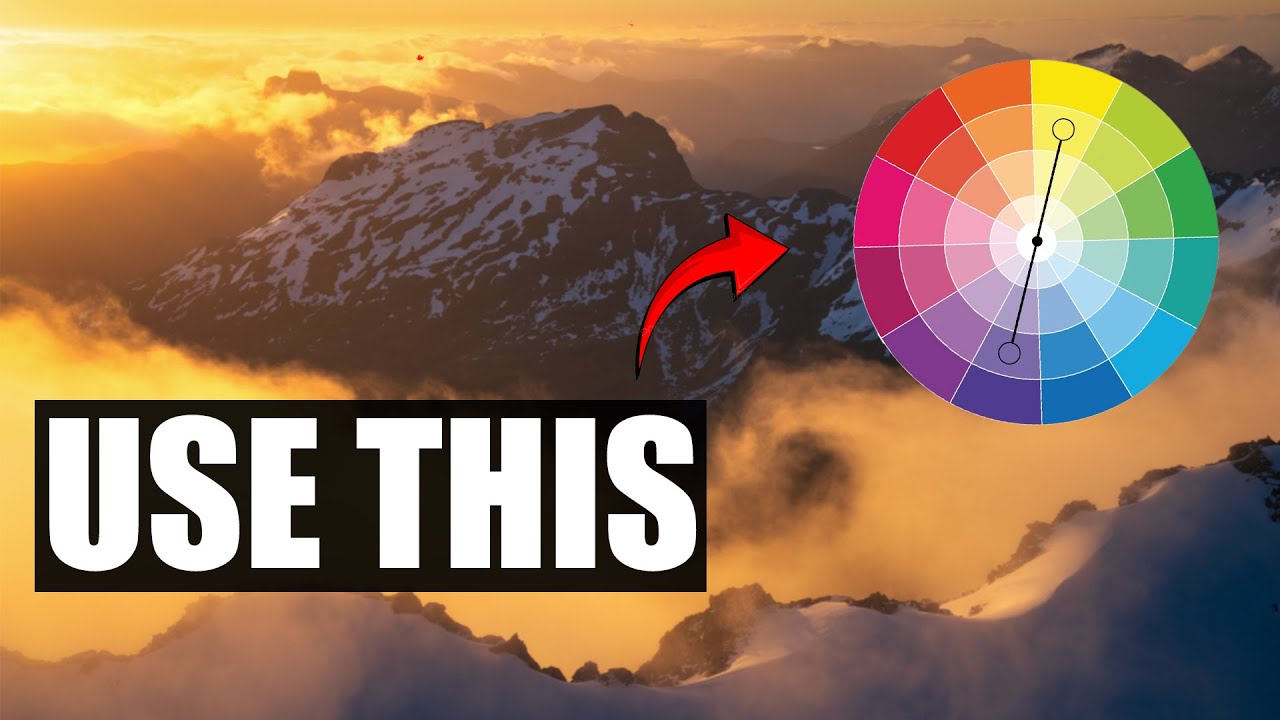
For years, my go-to move when processing a golden hour shot was to drag the temperature slider to the right and call it warm. The problem? Warming up a whole image also warms up your shadows, and suddenly you lose that beautiful contrast between the glowing light and the cool, moody dark areas that made you hit the shutter in the first place. Everything just looks… orange. Flat in a different way than it started.

One Backdrop, Infinite Looks: How to Add Texture and Color to Portrait Backgrounds in Photoshop

One Backdrop, Infinite Looks: How to Add Texture and Color to Portrait Backgrounds in Photoshop

Most of us aren’t running a studio with a wall of seamless paper rolls in every color. I shoot out of a converted spare bedroom in Seattle, and for the longest time I felt limited by the single gray backdrop I owned. Every portrait session started to look like it came from the same universe, which is fine, but it’s not exactly inspiring for clients or for me. What changed things for me was watching Sean Tucker work through this exact problem.

What Two Photographers' Best Shots Teach Us About Letting Go of Perfect Conditions

What Two Photographers' Best Shots Teach Us About Letting Go of Perfect Conditions

There’s a version of photography advice that sounds like this: use the right gear, plan the shot, control every variable. And then there’s the version that actually reflects how great photos get made. I’ve been doing Sunday morning photo walks for years now, and the shots I’m most proud of rarely came from a perfect plan. They came from a weird moment, a broken piece of gear, or a phone I grabbed because nothing else was close enough.