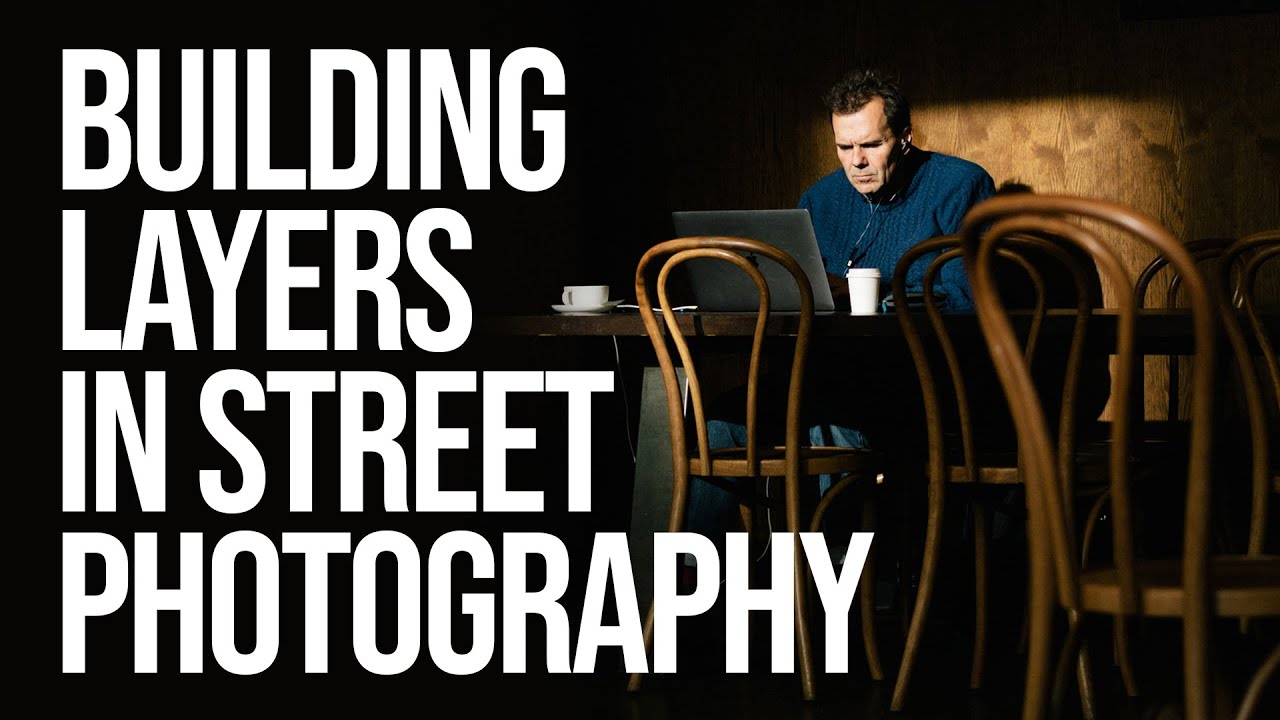
How Many Great Photos Should You Actually Expect? Sean Tucker's Layering Method Explained

How Many Great Photos Should You Actually Expect? Sean Tucker's Layering Method Explained

Every Sunday morning I do a photo walk. Rain, shine, Seattle gray — doesn’t matter. I’m out the door with coffee and a camera. And for years, I’d come home frustrated if I didn’t have at least one image I felt proud of. I’d scroll through 200 frames, find maybe three that were decent, and wonder what I was doing wrong. It took me a long time to realize that frustration wasn’t a skill problem.
How to Photograph a Hidden Waterfall: Depth, Framing, and the Art of Slowing Down

How to Photograph a Hidden Waterfall: Depth, Framing, and the Art of Slowing Down

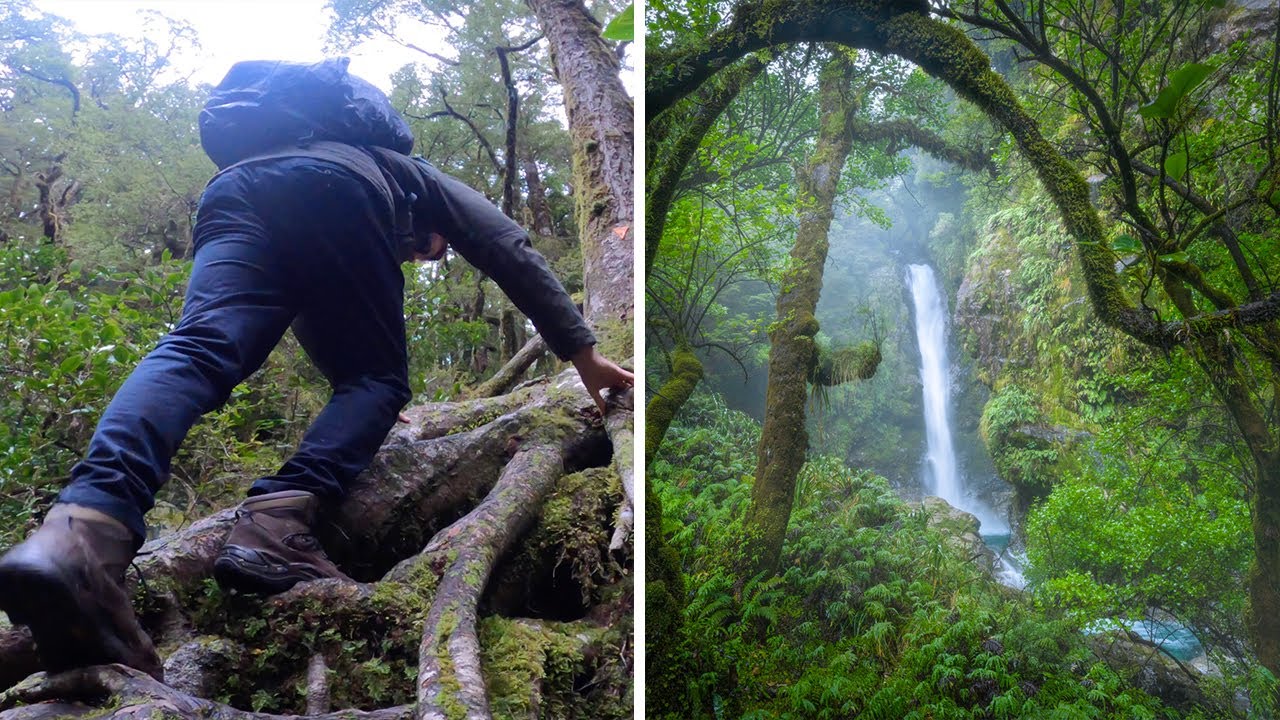
I’ve spent an embarrassing amount of time standing at the base of a waterfall convinced that being right there was the best position. Closer is better, right? More impact? It took me years, a ruined vacation, and a lot of mediocre shots before I understood that proximity is usually the enemy of a great landscape frame. The foreground, midground, and background all have to earn their place in the image, and waterfall photography is where that lesson hits hardest.

Why Your Outdoor Photos Have Weird Shadows (And What Bounced Light Has to Do With It)

Why Your Outdoor Photos Have Weird Shadows (And What Bounced Light Has to Do With It)

I used to blame myself when outdoor portraits came out looking “off” in a way I couldn’t quite name. The exposure was fine, the focus was sharp, but something about the light felt unresolved. It wasn’t until I started paying close attention to what was around my subject, not just above them, that things started clicking. Reflected light, the kind that bounces off walls, pavement, and buildings back onto your subject, is one of those fundamentals that nobody talks about enough at the beginner stage.

Thinking Like a 360 Camera Shooter: What Peter McKinnon's Skydiving Vision Teaches Us About Creative Planning

Thinking Like a 360 Camera Shooter: What Peter McKinnon's Skydiving Vision Teaches Us About Creative Planning

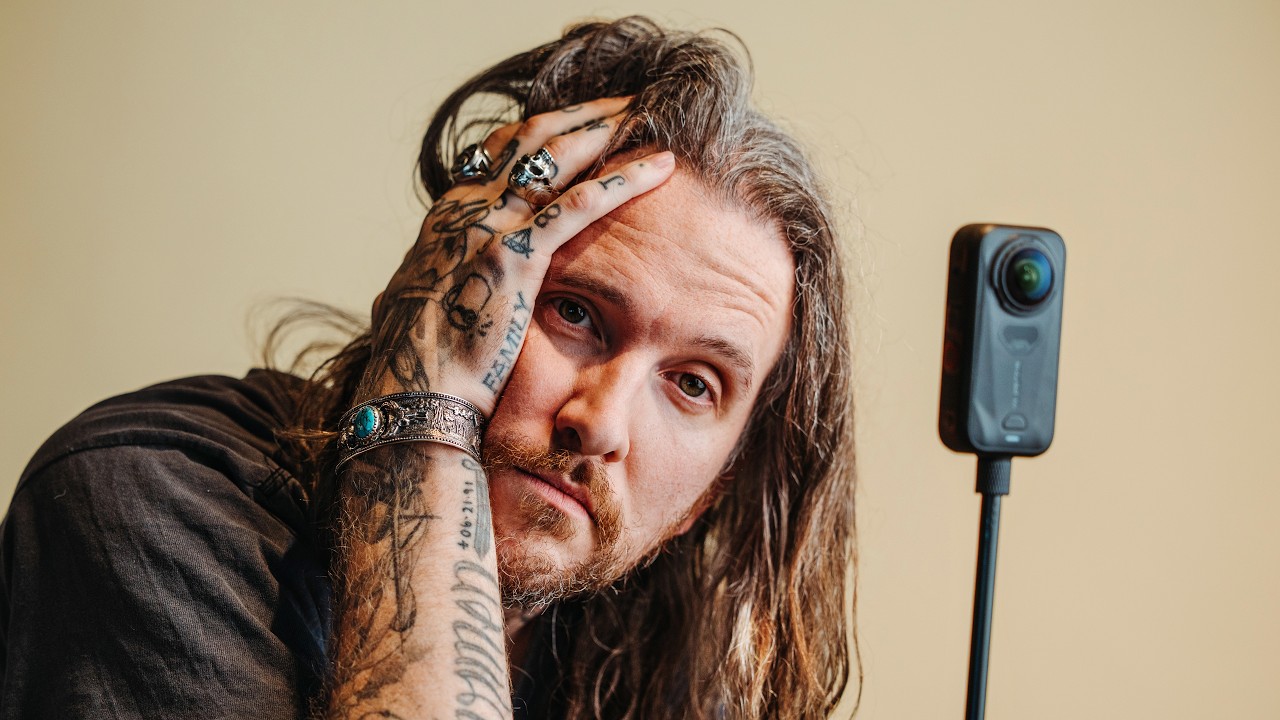
There’s a question I ask myself before almost every shoot: What does this moment look like before I even pick up the camera? It sounds abstract, but that mental rehearsal is one of the most underrated skills in photography and filmmaking. Most beginners wait until they’re on location to figure out their shot. Working professionals tend to have already storyboarded it in their head on the drive over. That’s the thing that struck me watching Watch the full tutorial on YouTube - this Peter McKinnon tutorial where he’s pitching the Insta360 X6.

How Long Should You Really Keep Using Your Memory Cards?

How Long Should You Really Keep Using Your Memory Cards?

How Long Should You Really Keep Using Your Memory Cards? Memory cards are the unsung heroes of digital photography. Without them, we’d have nowhere to store the thousands of images we capture throughout our careers. Yet I’ve noticed that many photographers—from beginners to seasoned professionals—rarely think about when to retire their cards. This oversight can lead to data corruption, lost images, and serious headaches in the field. The Hidden Lifespan of Digital Storage I want to be honest with you: memory cards don’t last forever.

How to Scout and Shoot Iceland's Highlands Like a Landscape Pro (Lessons from the Field)

How to Scout and Shoot Iceland's Highlands Like a Landscape Pro (Lessons from the Field)

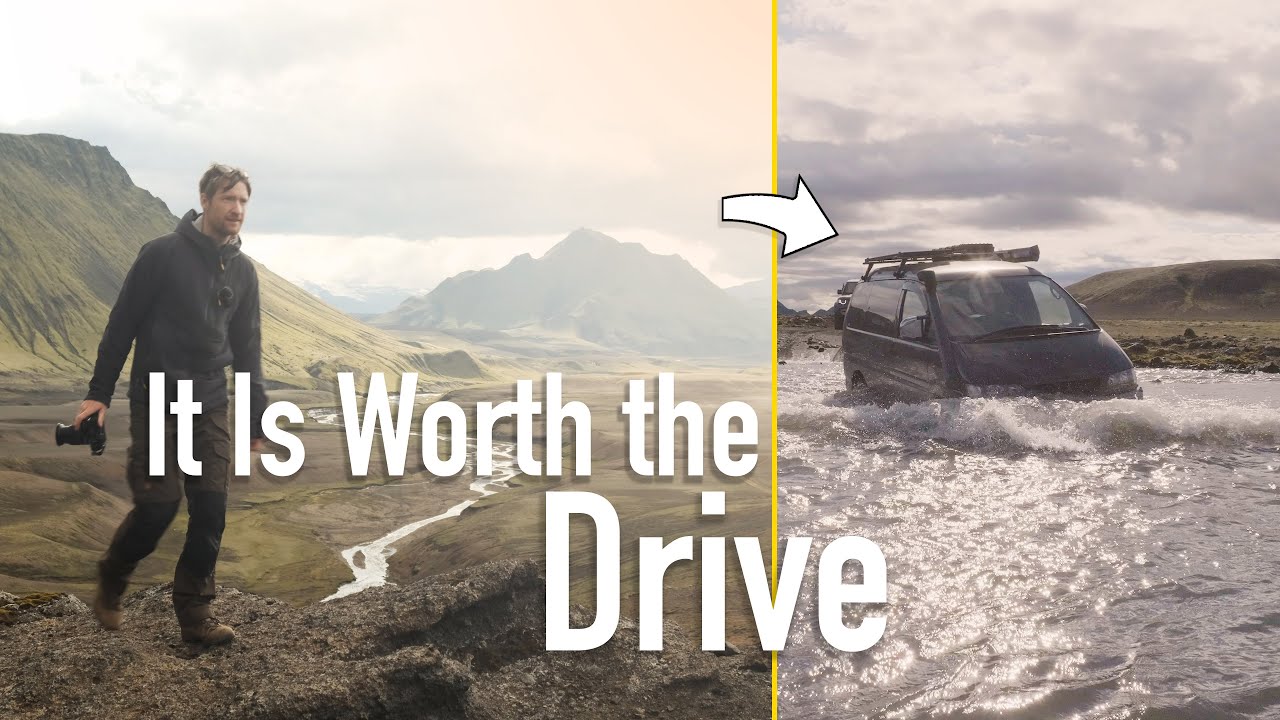
There’s a particular kind of frustration that comes from arriving at a stunning location with no plan. You’ve seen the photos online, you know it’s spectacular, but you’re standing there spinning in circles, camera in hand, with no idea where to point it. I’ve been there more times than I’d like to admit, including one embarrassing week in Oregon where I spent three days circling a waterfall before I finally understood what I was actually looking for compositionally.

You're Already a Photographer — Here's How to Stop Talking Yourself Out of It

You're Already a Photographer — Here's How to Stop Talking Yourself Out of It

I started teaching photography because a stranger at a coffee shop asked how I got a particular shot on my phone. Not my camera. My phone. I almost deflected the question with “oh, I’m not really a teacher” before I caught myself. Here I was, someone who had spent years shooting professionally, about to tell a complete stranger that I wasn’t qualified to explain what I had literally just done. That moment stuck with me, and it’s exactly why I kept coming back to this video.

The $99 Flash That Changed How I Shoot Portraits (And Why You Don't Need to Spend More)

The $99 Flash That Changed How I Shoot Portraits (And Why You Don't Need to Spend More)

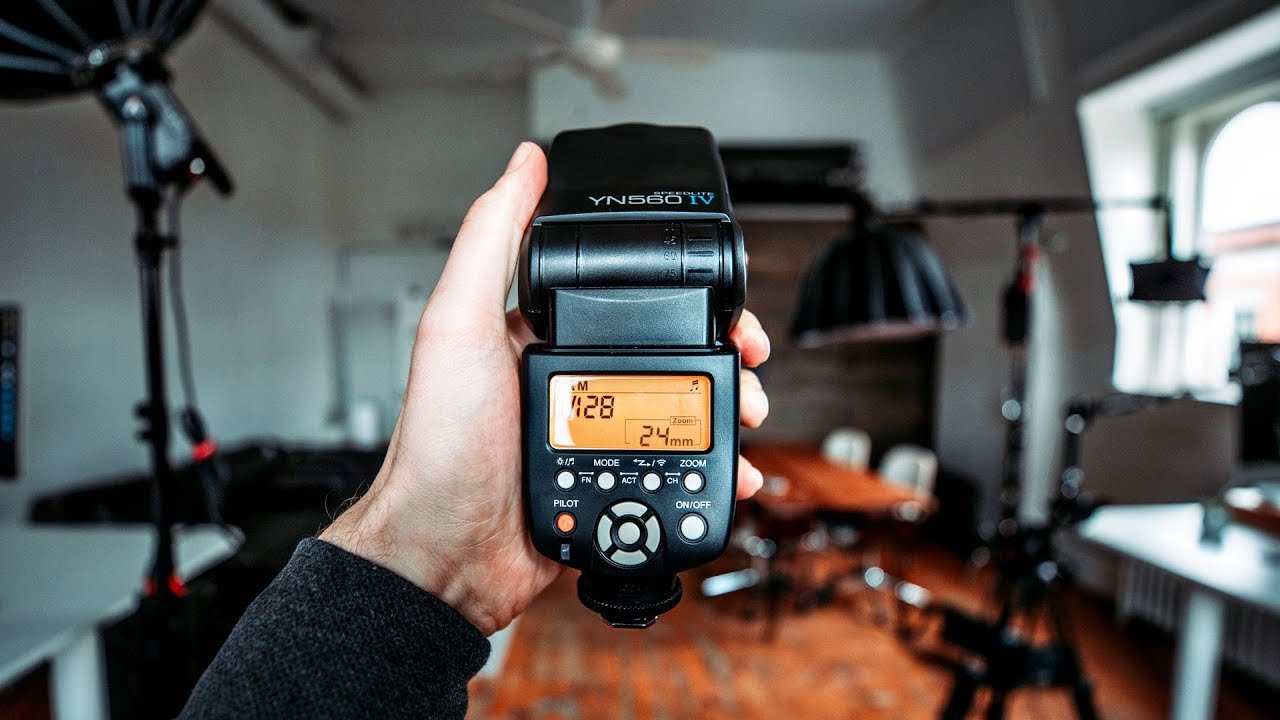
I avoided buying a flash for an embarrassingly long time. I told myself I was a natural light photographer, that flashes were complicated, that I’d figure it out eventually. The truth? I was intimidated. Then I started shooting events for extra income and realized pretty quickly that “available light” stops being romantic at 8pm inside a dim reception hall. I needed a flash, and I needed to actually understand how to use one.

Move Your Light Behind the Subject — The Simple Shift That Makes Photos Look Expensive

Move Your Light Behind the Subject — The Simple Shift That Makes Photos Look Expensive

Every Sunday morning I take a photo walk through my neighborhood in Seattle, and I can tell you from years of doing it: most of the difference between a mediocre shot and a compelling one isn’t the camera, the subject, or even the composition. It’s where the light is coming from. I spent an embarrassing amount of time early in my career placing lights directly in front of subjects and wondering why my photos looked flat and lifeless.

What the Insta360 X6 Actually Taught Me About Traveling Light (And Why I'm Rethinking My Camera Bag)

What the Insta360 X6 Actually Taught Me About Traveling Light (And Why I'm Rethinking My Camera Bag)

I have a complicated relationship with packing light. I own a beautiful, considered camera bag that I have carefully optimized over years of travel. I have also, more than once, left it in a hotel room and shot an entire afternoon on my phone just to avoid carrying it. So when Peter McKinnon, one of the photographers I actually trust to tell the truth about gear, released a hands-on field test of the new Insta360 X6, I paid close attention.

Photography Cross Training: How Skills From One Genre Make You Sharper in All of Them

Photography Cross Training: How Skills From One Genre Make You Sharper in All of Them

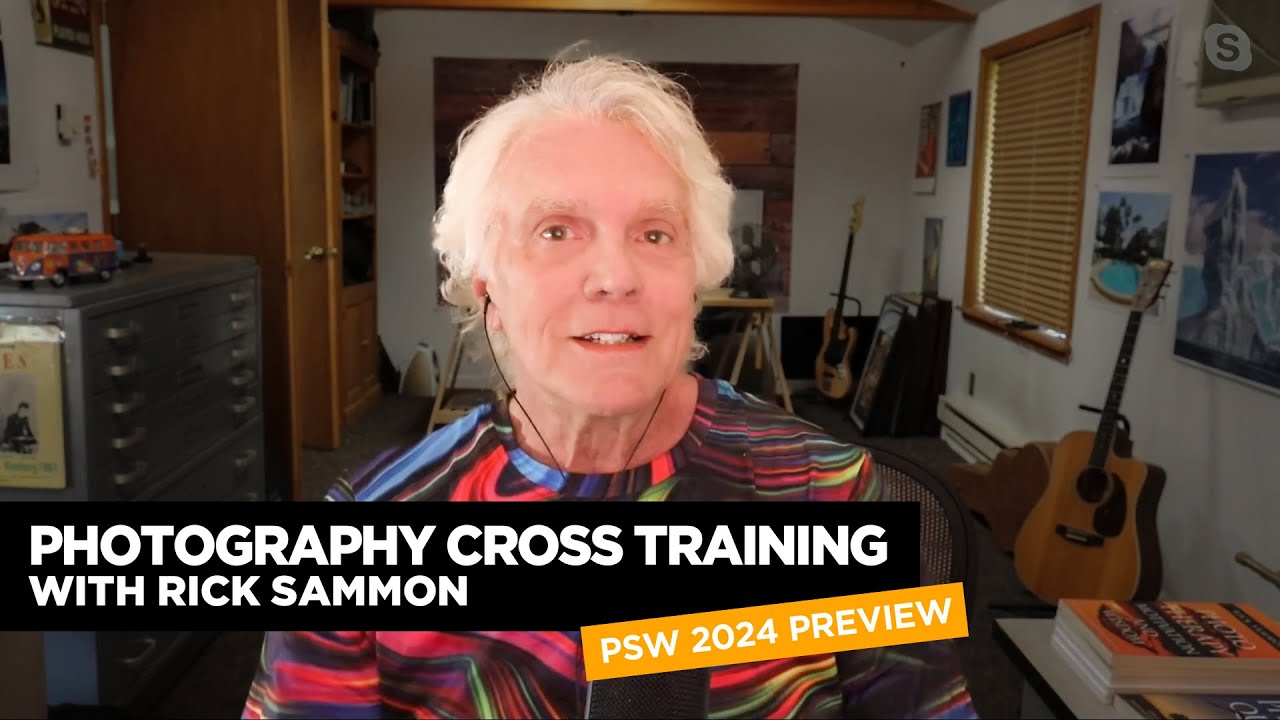
Every Sunday morning I take a photo walk around Seattle. No agenda, no client, no shot list. I bring whatever camera feels right that week, sometimes my mirrorless kit, sometimes just my phone. What I’ve noticed over the years is that the weeks I’ve been shooting a lot of food or product work, my street portraits get sharper. Not technically sharper, sharper in the sense that I’m reading light faster, thinking about gesture more deliberately, framing with more intention.

What a Hasselblad on the Coast Taught Me About Shooting Film Without a Safety Net

What a Hasselblad on the Coast Taught Me About Shooting Film Without a Safety Net

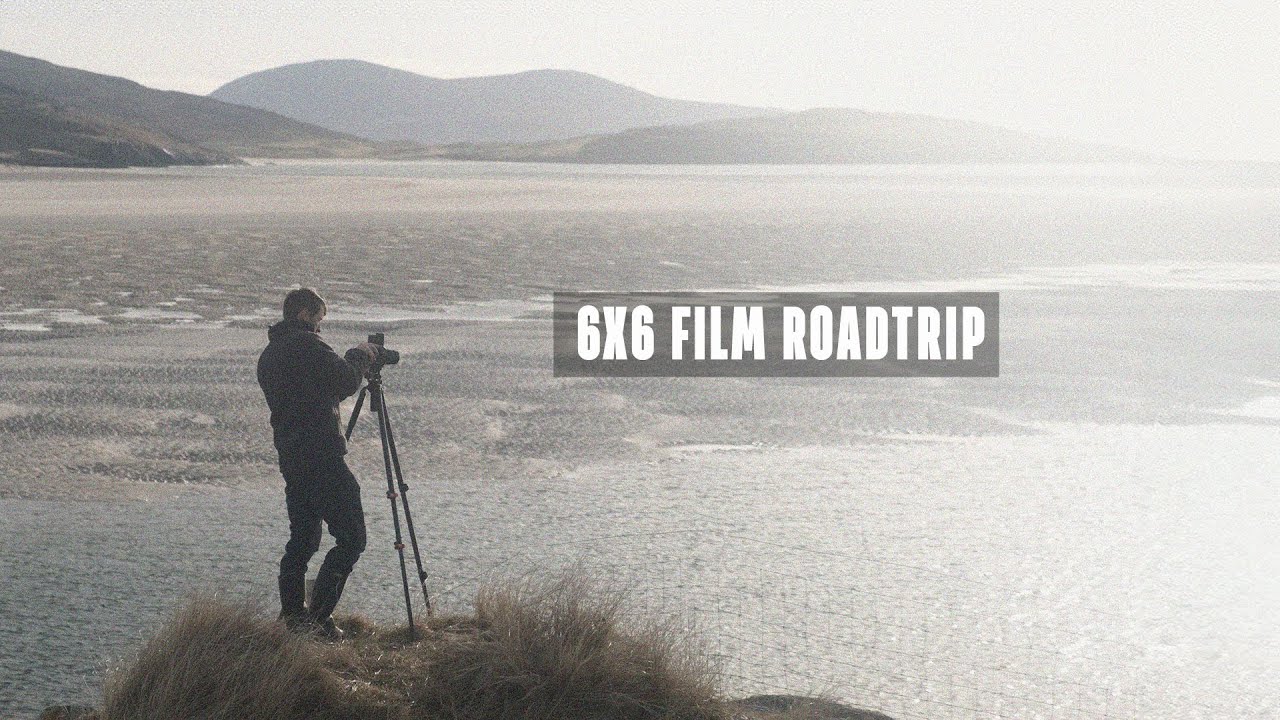
Every film photographer I know has a version of the same story: you drive an hour to a location, set up your camera, and realize you forgot something important. A filter adapter. A cable release. The prism viewfinder you were absolutely certain you packed. What makes the difference between a ruined shoot and a great one isn’t perfect preparation. It’s knowing how to adapt your technique on the fly while still protecting the exposures you only get twelve of per roll.