Why I Stopped Trusting Lightroom for Sharpening (And What I Use Instead)

Why I Stopped Trusting Lightroom for Sharpening (And What I Use Instead)

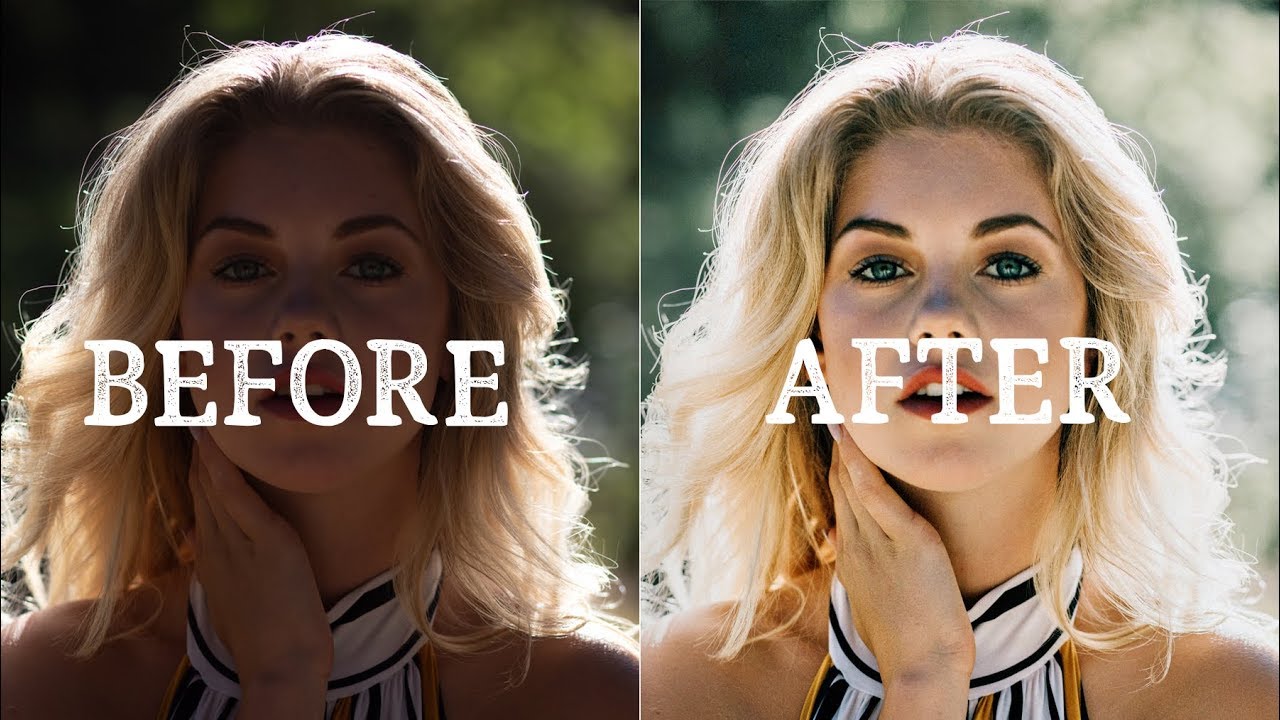
There’s a photo from last winter that I almost deleted. I’d hiked out before sunrise to catch the light hitting a frost-covered fence line, and the shot was beautiful in my head, but the RAW file came back soft and noisy in a way that Lightroom just couldn’t rescue cleanly. Sharpening in the Detail panel helped, but it introduced those tell-tale wormy artifacts along the edges. I kept the photo, but I wasn’t happy with it.

Shoot Epic Product Photos at Home Using Everyday Objects (Peter McKinnon's Method, Broken Down)

Shoot Epic Product Photos at Home Using Everyday Objects (Peter McKinnon's Method, Broken Down)

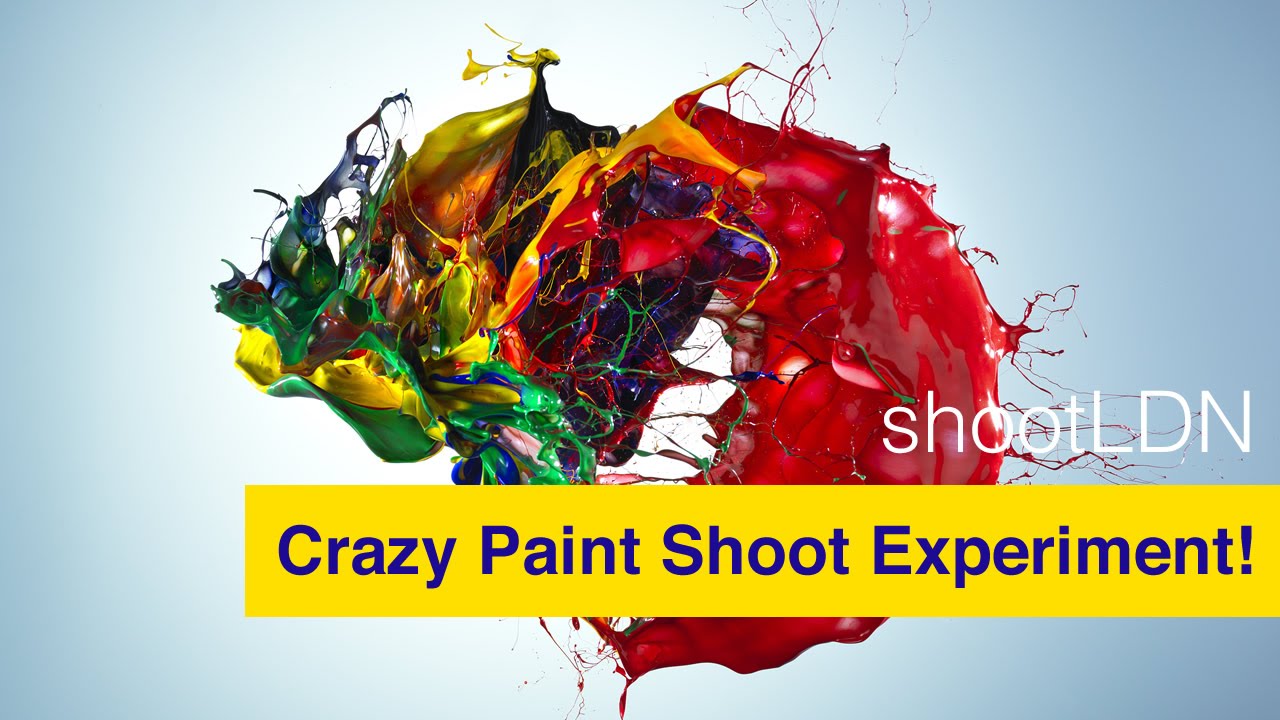
Every few months I get a message from someone asking how brands get those rich, moody product shots that look like they required a full studio crew. Nine times out of ten, the answer is simpler than you’d expect. I started thinking about this more seriously when I realized I was turning down small product photography requests because I assumed I didn’t have the “right” setup. Spoiler: I was wrong, and a Peter McKinnon tutorial on shooting playing cards changed how I approach the whole thing.

One Light, One Modifier: How to Transform a Flat Portrait Into Something Dramatic

One Light, One Modifier: How to Transform a Flat Portrait Into Something Dramatic

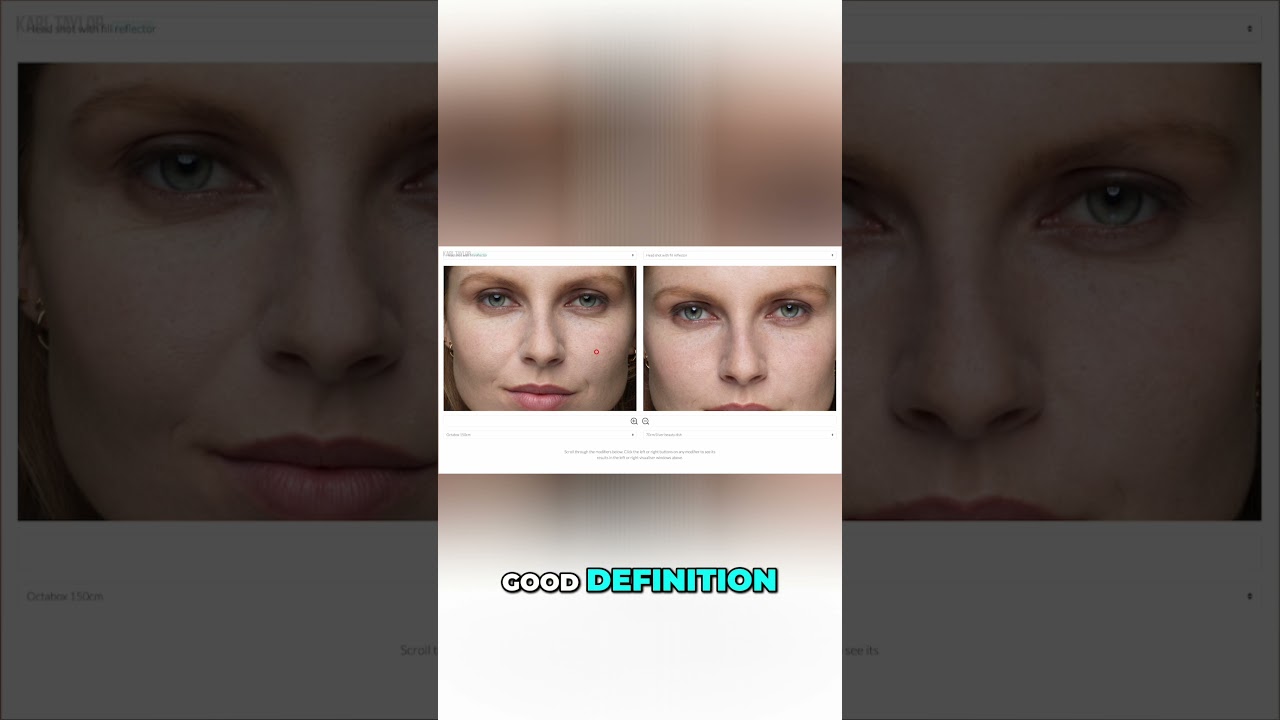
There’s a scenario every portrait photographer runs into eventually: you’re shooting somewhere that isn’t ideal, the natural light is flat and unforgiving, and your client is expecting something that looks like it belongs on an album cover. I’ve been there more times than I want to count. For a long time, my instinct was to just work with whatever the ambient light gave me and fix it in post. The results were fine.

Ten Things Beginner Photographers Get Wrong (And How to Fix Them Fast)

Ten Things Beginner Photographers Get Wrong (And How to Fix Them Fast)

There’s a specific kind of frustration that hits when you get home from a shoot, pull up your images, and realize that technically everything went wrong. The shot is slightly blurry. The foreground is sharp but the background is mush. There are strangers walking through your otherwise perfect frame. I spent my first two years as a photographer chalking those problems up to bad luck. Turns out, they’re all fixable, and the fixes aren’t complicated.

Beyond the Specs: Making Your Camera Feel Like an Extension of Your Creativity

Beyond the Specs: Making Your Camera Feel Like an Extension of Your Creativity

I’ve witnessed something fascinating in my years covering photography: photographers with six-figure camera setups sometimes feel less connected to their work than those shooting with entry-level gear. The problem isn’t the equipment itself—it’s how we approach using it. The Disconnect Between Specs and Satisfaction We live in an era where camera specifications have become almost absurdly good. Auto-focus systems that track moving subjects with uncanny precision, frame rates that capture dozens of images per second, processors that anticipate the decisive moment before it happens.

Why Classic Design Innovations Matter to Modern Photographers

Why Classic Design Innovations Matter to Modern Photographers

The Design Conversation We’re All Having I’ve been thinking a lot lately about how product design influences the way we work as photographers. Recently, I came across a fascinating concept that got me wondering: what makes certain tools feel right in our hands, and how does aesthetic design actually impact our creative output? The conversation around modern tech design—particularly how companies reimagine classic products with fresh approaches—speaks to something deeper for those of us who work with cameras and equipment daily.

What Joel Grimes and a 4x5 Camera Taught Me About Obsessing Over Focus

What Joel Grimes and a 4x5 Camera Taught Me About Obsessing Over Focus

I’ve been thinking a lot lately about what it actually means to commit to a shot. Not in the motivational-poster sense. I mean the physical, logistical, you-burned-your-dinner kind of commitment. Last month I was out on my Sunday morning photo walk and I kept chimping, checking the back of my camera every thirty seconds, second-guessing my focus point, re-shooting the same frame six or seven times. I got home with 200 photos and maybe two that felt intentional.

Why Compact Cameras Are Making a Comeback (And Why You Should Care)

Why Compact Cameras Are Making a Comeback (And Why You Should Care)

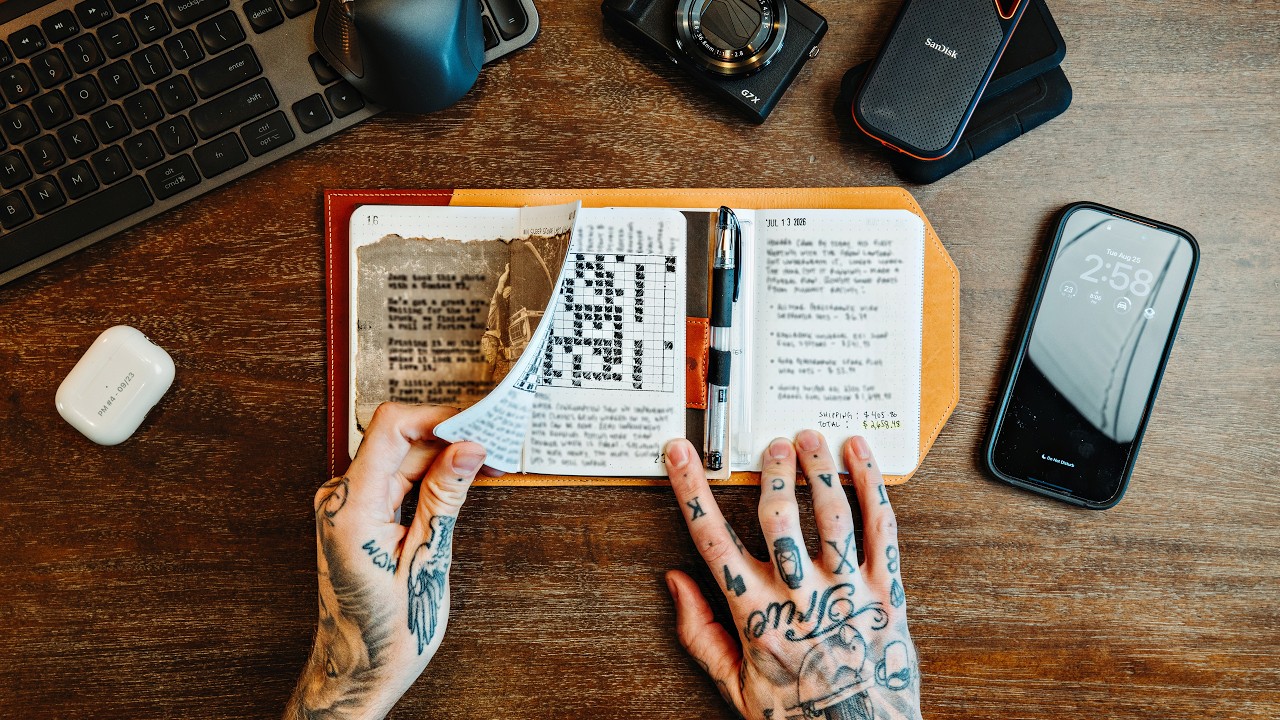
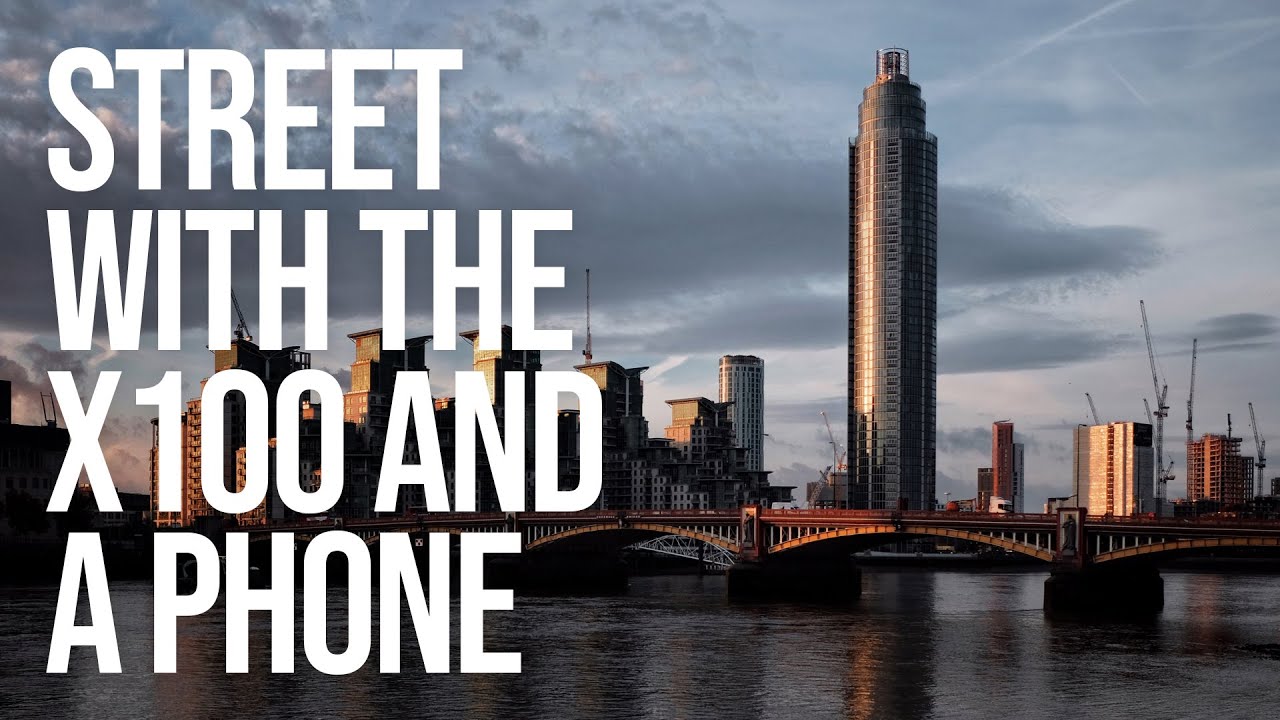
The Compact Camera Renaissance Is Real Something unexpected is happening in the photography world right now. Compact cameras—those small, pocketable devices that seemed destined for obsolescence—are experiencing genuine momentum. Shelves are clearing faster than manufacturers can restock, prices are climbing, and major companies are dusting off product lines they’d written off years ago. As someone who’s watched photography trends evolve, I found this shift fascinating enough to dig deeper. Why Are People Switching?

Budget-Friendly Prime Lens Deep Dive: What I Learned Testing the 7Artisan 35mm f/2.8

Budget-Friendly Prime Lens Deep Dive: What I Learned Testing the 7Artisan 35mm f/2.8

Why Budget Lenses Matter in Modern Photography I’ve been thinking a lot lately about the relationship between gear quality and photographic growth. There’s this common misconception that you need expensive equipment to improve your craft, but I’ve found the opposite to be true. Sometimes, working within constraints forces you to develop better fundamentals. That’s what drew me to spend time with the 7Artisan 35mm f/2.8 LTM mount lens. As someone who enjoys testing gear across different price points, I wanted to see whether this affordable option could deliver meaningful value for photographers building their collection.

How Micro Four Thirds Cameras and a Homemade Rail Can Produce Stunning Time-Lapse Footage

How Micro Four Thirds Cameras and a Homemade Rail Can Produce Stunning Time-Lapse Footage

I’ll be honest: time-lapse has always been the technique I’d recommend to students before I’d fully committed to it myself. I shoot travel and lifestyle work, and for years I treated time-lapse as a “someday” skill. Something I’d pick up properly when I had the right gear, the right trip, the right block of time. Then I spent a Sunday morning on the Seattle waterfront watching the fog roll in over Elliott Bay, wishing I had something running on a tripod while I wandered around with my phone.

How AI's Growing Context Understanding Could Transform Your Photography Workflow

How AI's Growing Context Understanding Could Transform Your Photography Workflow

A New Era of AI Assistance for Photographers I’ve been following the latest developments in artificial intelligence, and I’m genuinely excited about what’s happening behind the scenes. OpenAI recently enhanced its free GPT model with significantly improved context understanding capabilities. While this might sound like tech jargon, I believe it has real implications for how we photographers can work smarter. What Better Context Understanding Means Let me break down why this matters.

How to Finally Stop Being Afraid of Manual Mode (And Actually Use It)

How to Finally Stop Being Afraid of Manual Mode (And Actually Use It)

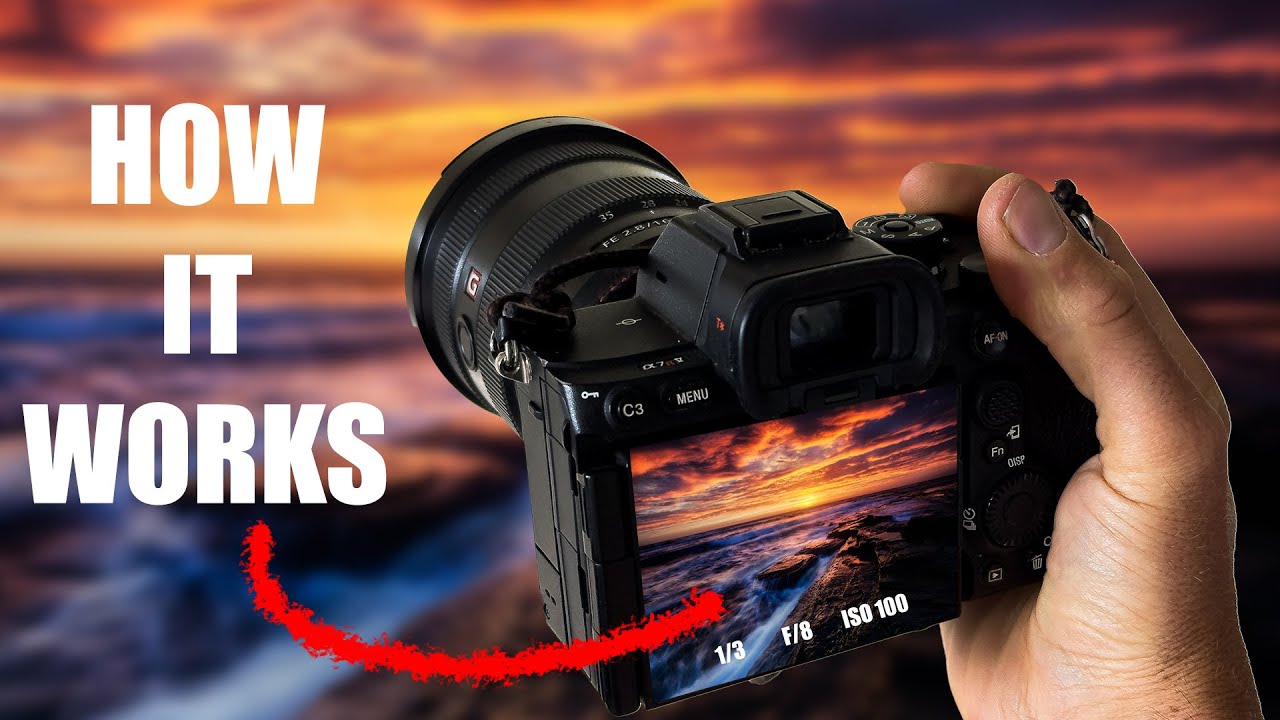
I still remember the stranger at the coffee shop who pointed at my camera and asked, “How do you get your photos to look like that?” I had to stop and think about how to explain it without overwhelming her. The honest answer was: manual mode. Not magic, not expensive gear. Just learning to tell the camera what to do instead of letting it guess. That is exactly what this tutorial tackles.