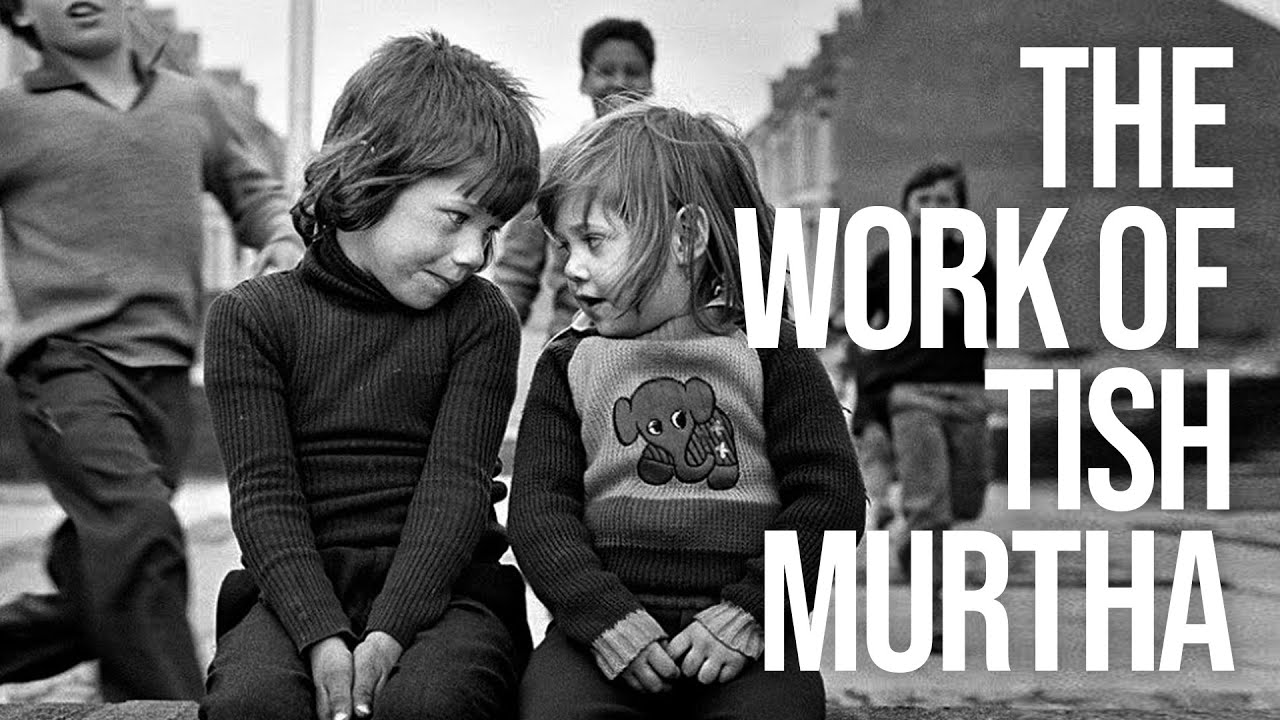
There’s a difference between taking pictures of people and actually photographing them. I spent years on the lifestyle and travel side of things before I really felt that distinction in my chest. I could frame a shot, nail the exposure, find the light. But something was missing from a lot of my work, and I couldn’t name it until I started paying closer attention to photographers who built their careers on truth rather than aesthetics. That’s exactly what pulled me into Sean Tucker’s video on the work of Tish Murtha, a British documentary photographer whose images of working-class communities in 1970s and 80s England still feel startlingly alive decades later.
Watch the full tutorial on YouTube
In this Sean Tucker tutorial, the lens isn’t on technique in the traditional sense. There are no Lightroom sliders or lens comparisons. Instead, Tucker unpacks what makes documentary photography emotionally and ethically honest, using Murtha’s body of work as a masterclass in proximity, empathy, and restraint. If you’ve ever felt like your people shots look competent but cold, this is the video that might reframe your whole approach.
Step 1: Understand the Photographer’s Relationship to Their Subject
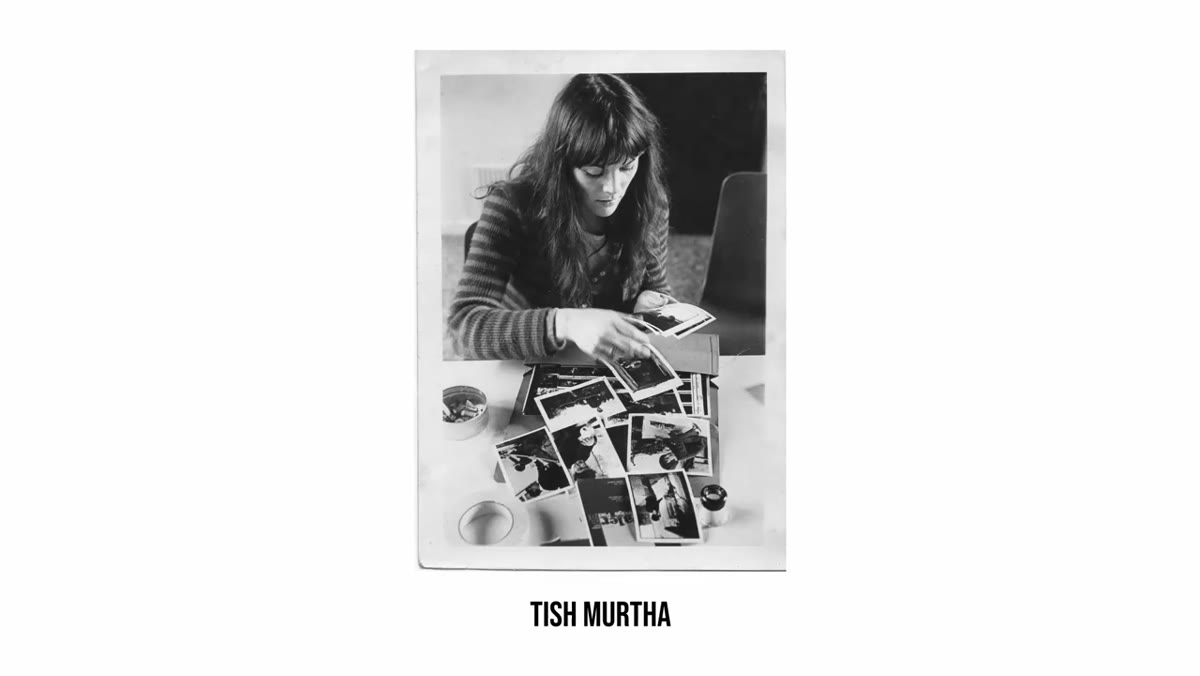 Tucker introducing Tish Murtha’s early documentary work
The first thing Tucker establishes is that Murtha didn’t parachute into communities to photograph poverty from the outside. She was from those communities. She photographed her neighbors, her family, her own street. That intimacy is visible in every frame, and it’s not something you can fake with a longer lens or a warmer preset.
Tucker introducing Tish Murtha’s early documentary work
The first thing Tucker establishes is that Murtha didn’t parachute into communities to photograph poverty from the outside. She was from those communities. She photographed her neighbors, her family, her own street. That intimacy is visible in every frame, and it’s not something you can fake with a longer lens or a warmer preset.
Before you pick up your camera for any kind of documentary or street work, ask yourself what your actual relationship is to the place or the people you want to photograph. You don’t have to share the same background as your subjects, but you do need a reason to be there that goes beyond aesthetics. Spend time somewhere before you photograph it. Go back more than once. Let people see your face before they see your lens.
Step 2: Let Empathy Drive Your Compositional Choices
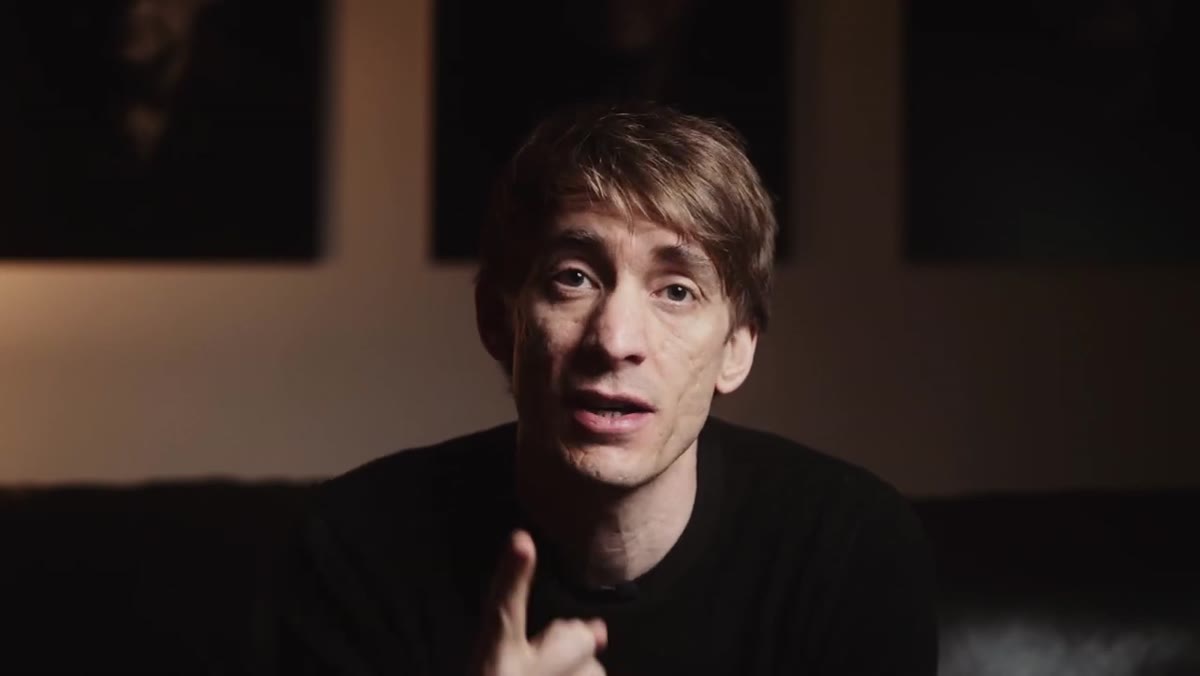 Analysis of Murtha’s framing choices in community portraits
Tucker spends real time on how Murtha’s compositions reflect care rather than detachment. Her frames don’t aestheticize hardship. They don’t place subjects in ways that feel othering or voyeuristic. The camera stays close, the backgrounds are honest, and the people in her images are given full dignity inside the frame.
Analysis of Murtha’s framing choices in community portraits
Tucker spends real time on how Murtha’s compositions reflect care rather than detachment. Her frames don’t aestheticize hardship. They don’t place subjects in ways that feel othering or voyeuristic. The camera stays close, the backgrounds are honest, and the people in her images are given full dignity inside the frame.
In practice, this means thinking about what your composition is saying about the person in front of you. Are you shooting down on them, literally or figuratively? Are you keeping your distance in a way that signals discomfort or disconnection? Try getting physically closer than you think you should. Shoot at eye level. Let the environment tell the truth without making it the whole story.
Step 3: Resist the Urge to Beautify
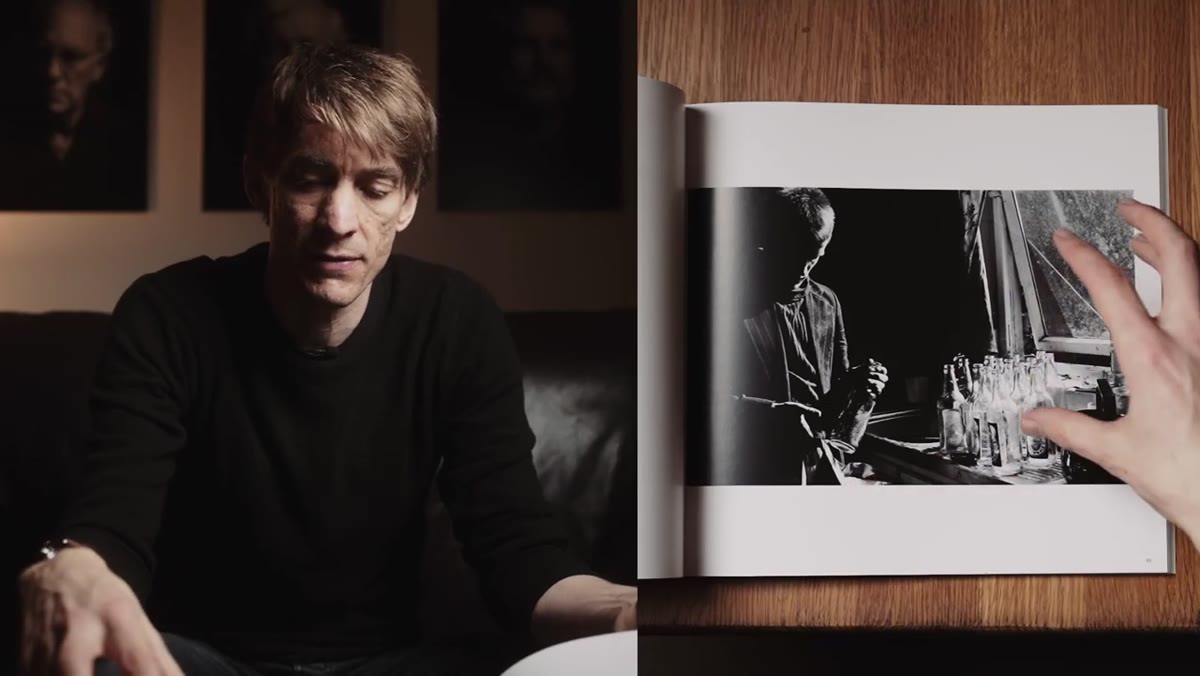 Tucker contrasting Murtha’s rawness with more stylized documentary work
One of the sharpest points Tucker makes is about the temptation to make difficult realities look beautiful in a way that softens their meaning. High contrast black and white, dramatic shadows, cinematic grain pushed to the limit. These tools aren’t wrong in themselves, but when they become a layer of style between the viewer and the truth, they start to protect the viewer instead of challenging them.
Tucker contrasting Murtha’s rawness with more stylized documentary work
One of the sharpest points Tucker makes is about the temptation to make difficult realities look beautiful in a way that softens their meaning. High contrast black and white, dramatic shadows, cinematic grain pushed to the limit. These tools aren’t wrong in themselves, but when they become a layer of style between the viewer and the truth, they start to protect the viewer instead of challenging them.
This one hit me personally. I’ve definitely reached for a moody edit to make a photo “work” when what it really needed was a harder look at whether I captured anything genuine in the first place. The processing question should come after the photographic question. Did you actually get close enough to something real? If yes, edit to serve that. If no, no amount of style fixes it.
Step 4: Build a Body of Work, Not a Set of Highlights
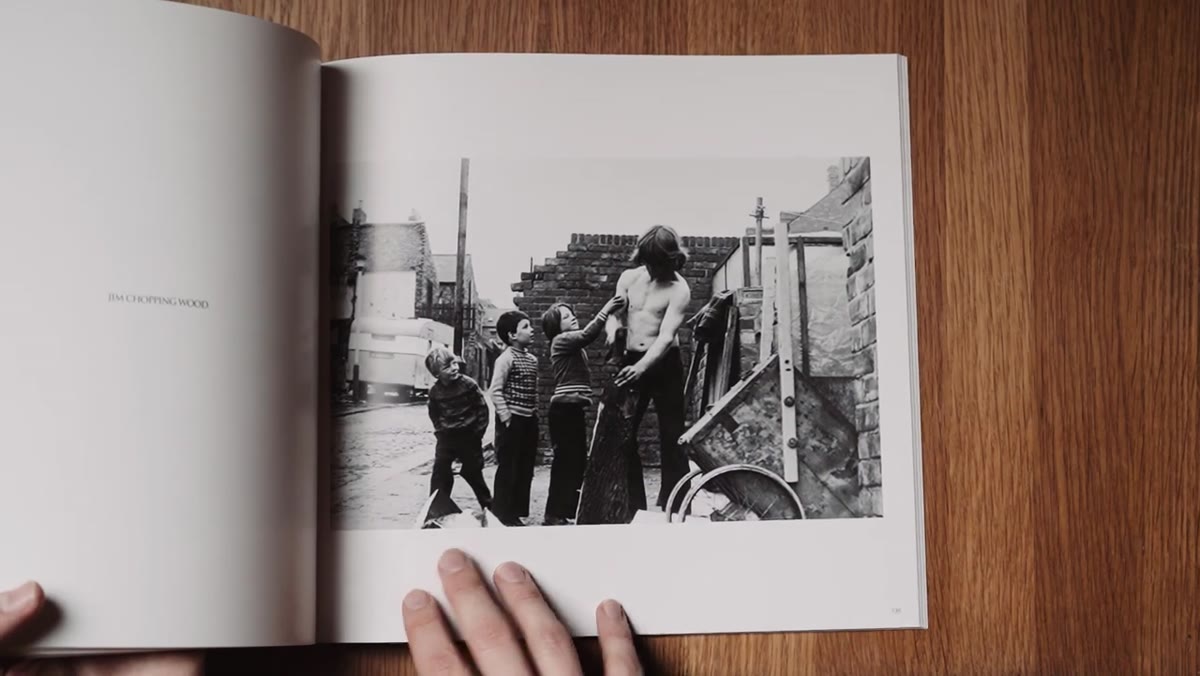 Tucker discussing the cumulative power of Murtha’s project work
Tucker emphasizes that Murtha’s power as a photographer comes from her sustained commitment to specific communities over time. Single images can be striking, but a body of work builds an argument. It earns the viewer’s trust. It shows that you stayed.
Tucker discussing the cumulative power of Murtha’s project work
Tucker emphasizes that Murtha’s power as a photographer comes from her sustained commitment to specific communities over time. Single images can be striking, but a body of work builds an argument. It earns the viewer’s trust. It shows that you stayed.
For most of us shooting in between jobs or on Sunday mornings (which, yes, is exactly how I operate), this means thinking in projects rather than individual shots. Pick a subject, a neighborhood, a recurring event, anything with continuity, and return to it. Keep a dedicated folder. Watch the work accumulate. You’ll start noticing what you keep reaching for, and that’s where your actual photographic voice lives.
Step 5: Consider the Ethics Before You Press the Shutter
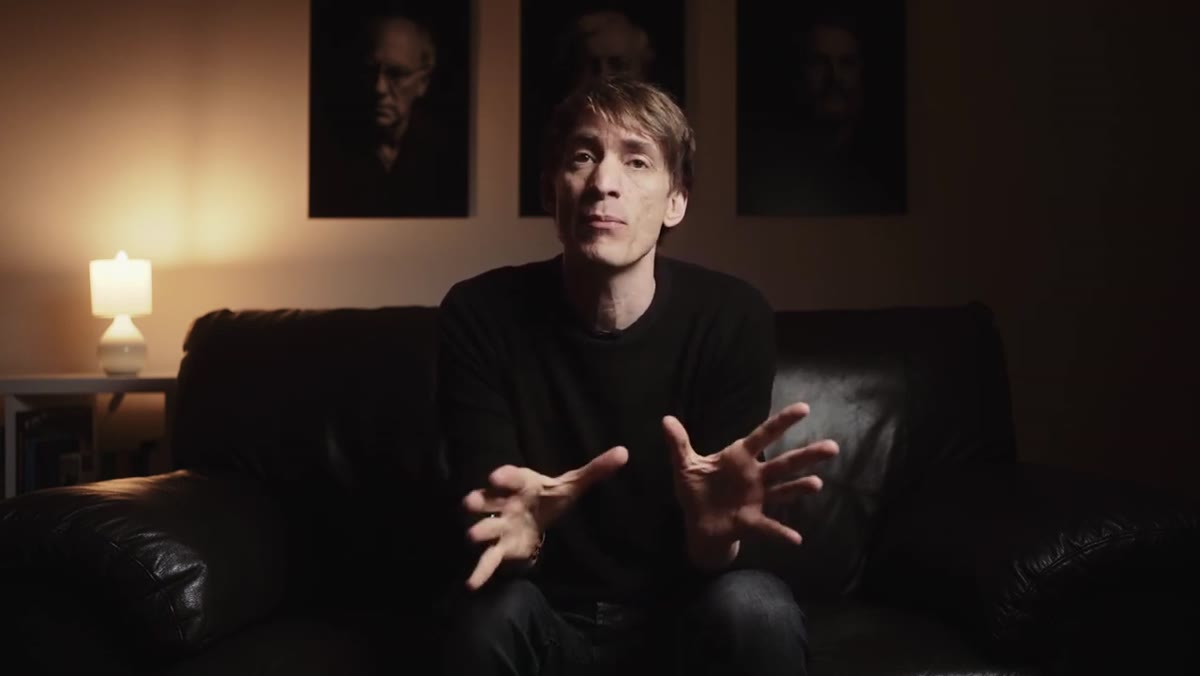 Tucker addressing consent and responsibility in documentary photography
This section of Tucker’s video is the one I’d want every beginner to sit with. He talks honestly about the ethical weight of photographing people in vulnerable moments or difficult circumstances. The camera is not a neutral tool, and documentary photography in particular carries responsibilities that portrait or landscape work doesn’t.
Tucker addressing consent and responsibility in documentary photography
This section of Tucker’s video is the one I’d want every beginner to sit with. He talks honestly about the ethical weight of photographing people in vulnerable moments or difficult circumstances. The camera is not a neutral tool, and documentary photography in particular carries responsibilities that portrait or landscape work doesn’t.
Think about informed consent, not just legal permission. Think about how your images might be used and whether your subject has any say in that. Murtha’s work holds up ethically because her subjects were participants in the storytelling, not just its raw material. That’s a standard worth holding yourself to, even when it’s inconvenient, even when a candid moment would make a better image than a posed one.
Step 6: Study Photographers Who Were Somewhere, Not Just Somewhere Interesting
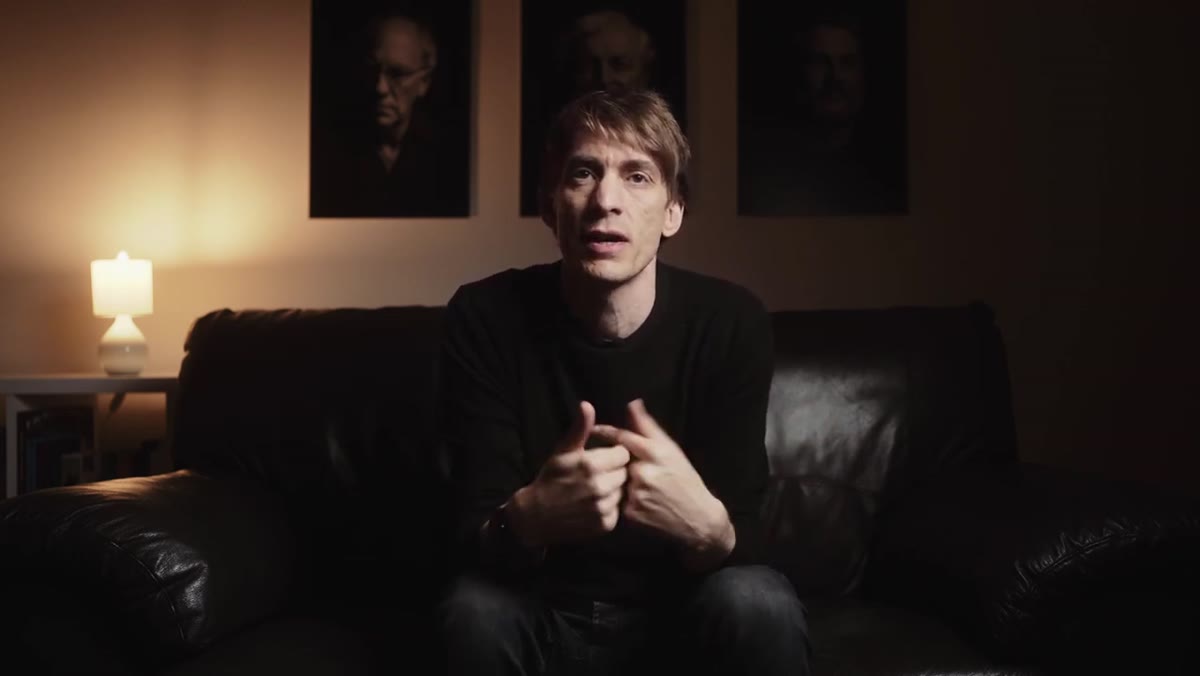 Tucker recommending other photographers in the documentary tradition
Tucker’s recommendation to study Murtha leads naturally to a broader practice: seek out photographers whose work is rooted in place and relationship rather than location and novelty. There’s a real difference between someone who traveled to a striking location and someone who understood a place from the inside.
Tucker recommending other photographers in the documentary tradition
Tucker’s recommendation to study Murtha leads naturally to a broader practice: seek out photographers whose work is rooted in place and relationship rather than location and novelty. There’s a real difference between someone who traveled to a striking location and someone who understood a place from the inside.
Build a study list. Not just the famous names. Look for photographers whose work feels specific, who were clearly embedded somewhere, who had a point of view earned through time. Pay attention to what they chose not to include in the frame as much as what they did include. The edit is where the argument lives.
My Own Caveat: You Can Practice This Closer Than You Think
I used to assume documentary photography required a dramatic subject. Conflict zones, poverty, social upheaval. But the more I’ve sat with Murtha’s work and Tucker’s reading of it, the more I think the principles apply to anything you photograph consistently and honestly. My Sunday photo walks around Seattle have become less about finding the perfect shot and more about paying attention to the same blocks over time. The light changes. The people do too. That continuity is its own kind of truth.
You don’t need a grand subject. You need genuine attention paid somewhere specific, over and over. That’s where the real documentary instinct gets trained.
The single biggest thing I took from this tutorial is that empathy is a photographic skill, not just a personality trait. You can develop it deliberately, through the choices you make about access, framing, editing, and time. Murtha built her entire practice on it, and the work still holds up because of that foundation.
Watch the full tutorial on YouTube and spend some time with Murtha’s images afterward. The two together will change how you think about what it means to photograph people with honesty.
Comments
Leave a Comment