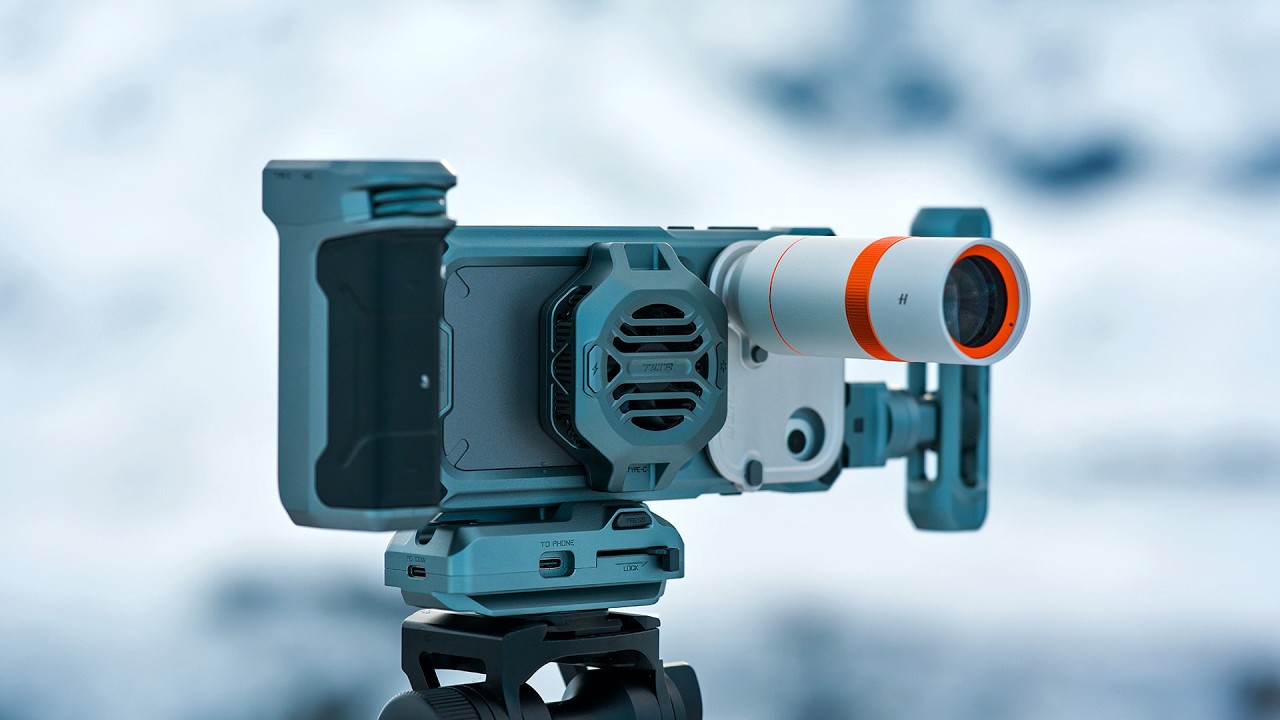
I teach photography. And I still catch myself stalling. Waiting for golden hour to actually land golden instead of just overcast-pink. Waiting until I’ve had enough coffee. Waiting until the composition feels obvious before I even raise the camera. The excuses are embarrassing when I say them out loud, which is exactly why I found Watch the full tutorial on YouTube so useful, even though on the surface it looks like a sponsored phone camera video shot in Iceland.
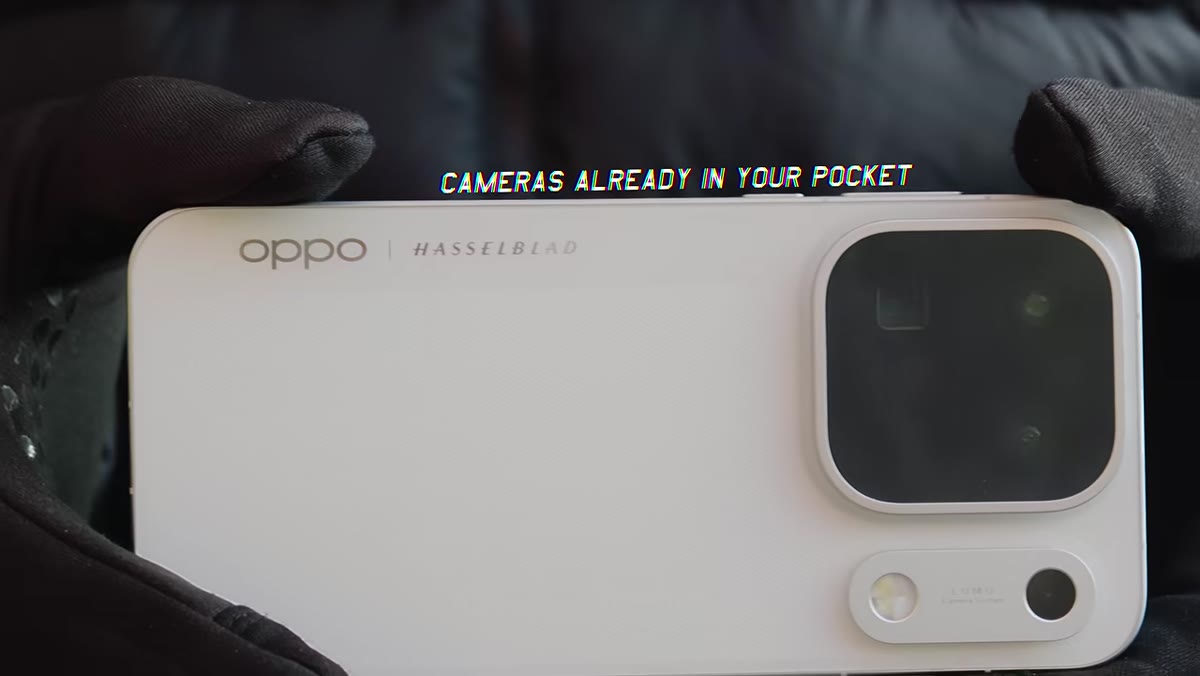
In this Peter McKinnon video, the technical subject is the OPPO Find X10 Pro Max’s camera system, tested across some genuinely brutal Icelandic conditions: volcanic rock, waterfalls, moody overcast skies. But the message running underneath the footage hits harder than any camera spec. McKinnon opens by cataloging every excuse photographers use to delay shooting, and the list is painfully familiar. Better equipment, better light, more time, more readiness. His answer is simple: none of that ever fully arrives. The camera in your pocket already works. The moment is now.
What I appreciate about how he frames this is that it isn’t empty motivation. He backs it up by actually going. Iceland, challenging light, a phone camera, and no apologies. For anyone who follows McKinnon’s work, the meta-lesson is clear: the photographer matters more than the gear. Here is how I’d break down what this video demonstrates, step by step, in a way you can actually apply.
Step 1: Reframe What “Ready” Means
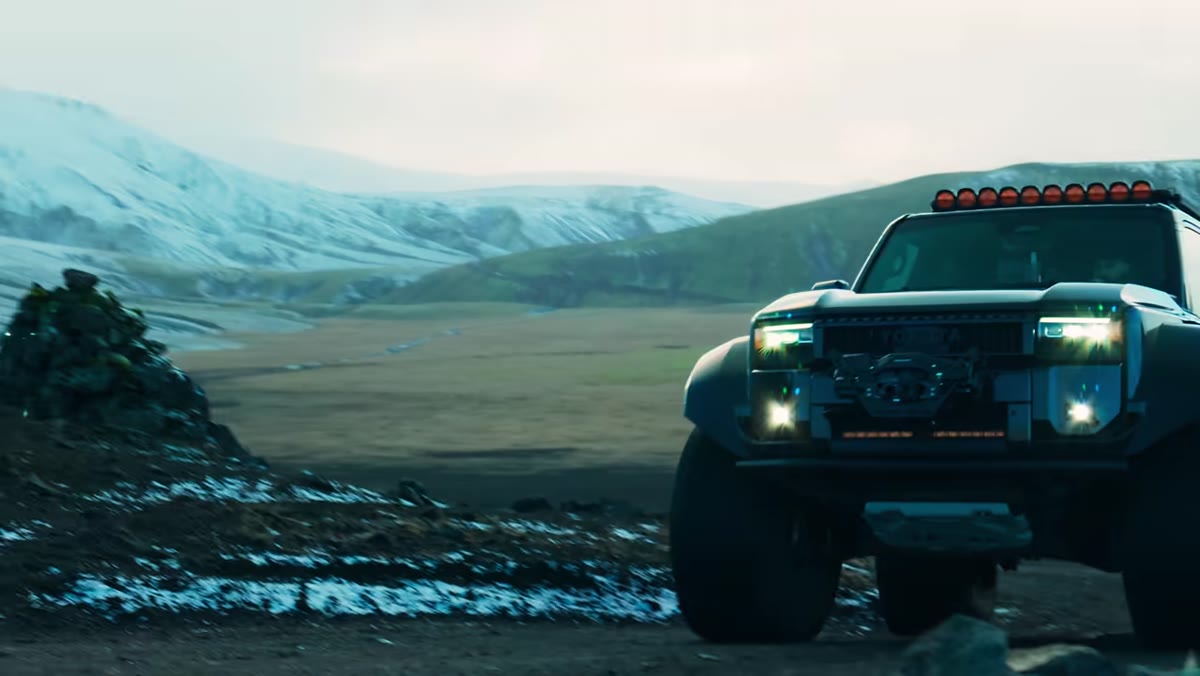 Voiceover plays over dark moody pre-dawn footage
The first thing McKinnon does, before a single frame of Iceland appears, is dismantle the idea of readiness. Readiness, he argues, is a moving goalpost. Light changes. Weather shifts. Moments pass. The camera you already own is enough to start.
Practically speaking: pick one location you’ve been meaning to shoot and go this week. Not next week when you’ve watched more tutorials. This week. Bring whatever camera you have, including your phone. The goal of this first trip isn’t great photos. It’s building the habit of actually showing up.
Step 2: Use What’s In Your Pocket Without Apologizing
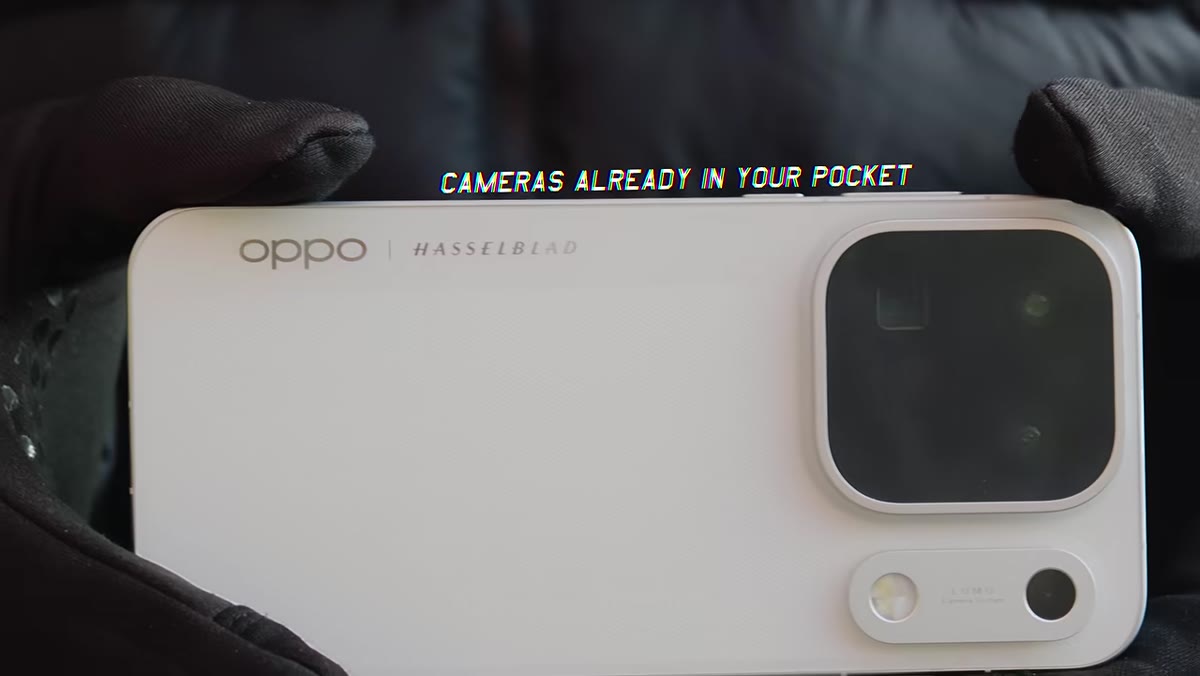 Handheld phone footage of Icelandic landscape in flat light
McKinnon shoots Iceland on a smartphone, which for most of his audience is a genuinely counterintuitive choice. He’s known for high-end camera setups. But the phone footage holds up, and that’s the point he’s making with the choice itself.
Modern phone cameras, especially flagship models, have computational photography baked in that handles dynamic range and noise in ways that would have required a full DSLR setup five years ago. If you’re a beginner, stop telling yourself your phone isn’t good enough. Shoot in the native camera app first, learn what the sensor does on its own, then start experimenting with manual controls or third-party apps like Halide or ProCamera. Understand the tool before you upgrade it.
Step 3: Shoot in Difficult Light On Purpose
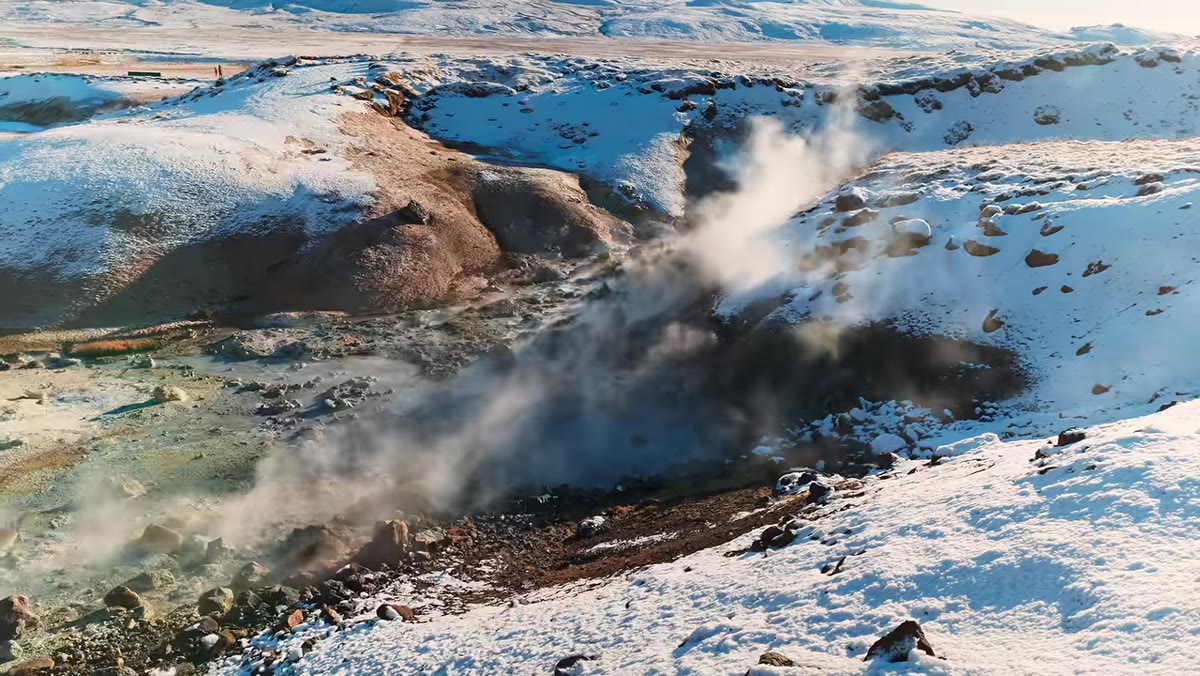 Wide landscape shot under heavy overcast Iceland sky
Iceland isn’t exactly cooperative. Overcast skies, flat gray light, and unpredictable weather define the visual landscape of that trip. McKinnon doesn’t wait for the clouds to break. He shoots into the gray, and the results are moody and cohesive rather than washed out.
Flat light is actually beginner-friendly, even though it doesn’t feel glamorous. It’s even and forgiving. Subjects don’t blow out. Shadows don’t go completely black. The mistake most beginners make is waiting for dramatic light and then not knowing what to do with it when it arrives. Practice your framing and composition in flat conditions first. Then when golden hour hits, you’re not figuring out how to hold the camera.
Step 4: Let the Environment Lead the Composition
 Low angle shot of volcanic rock texture in foreground
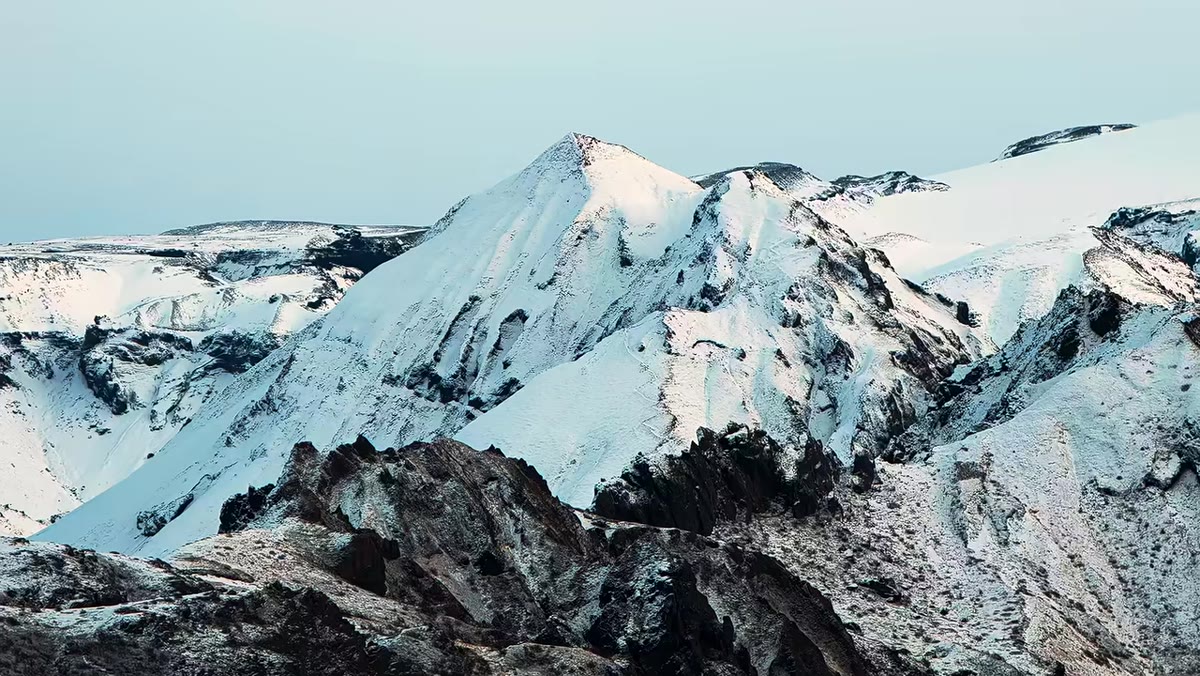
The Iceland footage leans heavily on natural leading lines: rivers cutting through lava fields, ridgelines running into the frame, the texture of volcanic rock pulling the eye toward the horizon. McKinnon doesn’t fight the landscape. He lets it do compositional work for him.
When you’re shooting somewhere new, spend the first ten minutes just walking and looking before you raise the camera. Find the line that draws your eye. Find the foreground element that gives depth. Find the frame within the frame, whether that’s a rock arch, a gap in trees, or a window. Composition is mostly observation. The camera records what your eye already found.
Step 5: Move Your Body, Not Your Zoom
 McKinnon crouching low for a ground-level perspective on water
One thing McKinnon demonstrates consistently in his travel footage is physical engagement with the scene. He gets low. He gets close. He changes angles rather than relying on digital or even optical zoom to change the composition.
This matters especially with phone cameras, where zooming in often means sacrificing image quality depending on the focal length. The better habit: physically move to your subject. Get low enough that the foreground has weight. Step sideways until the background element lines up where you want it. Your legs are the best piece of gear you own.
Step 6: Post-Process to Match the Mood, Not to Fix the Shot
 Color-graded Iceland footage with cool teal tones in shadows
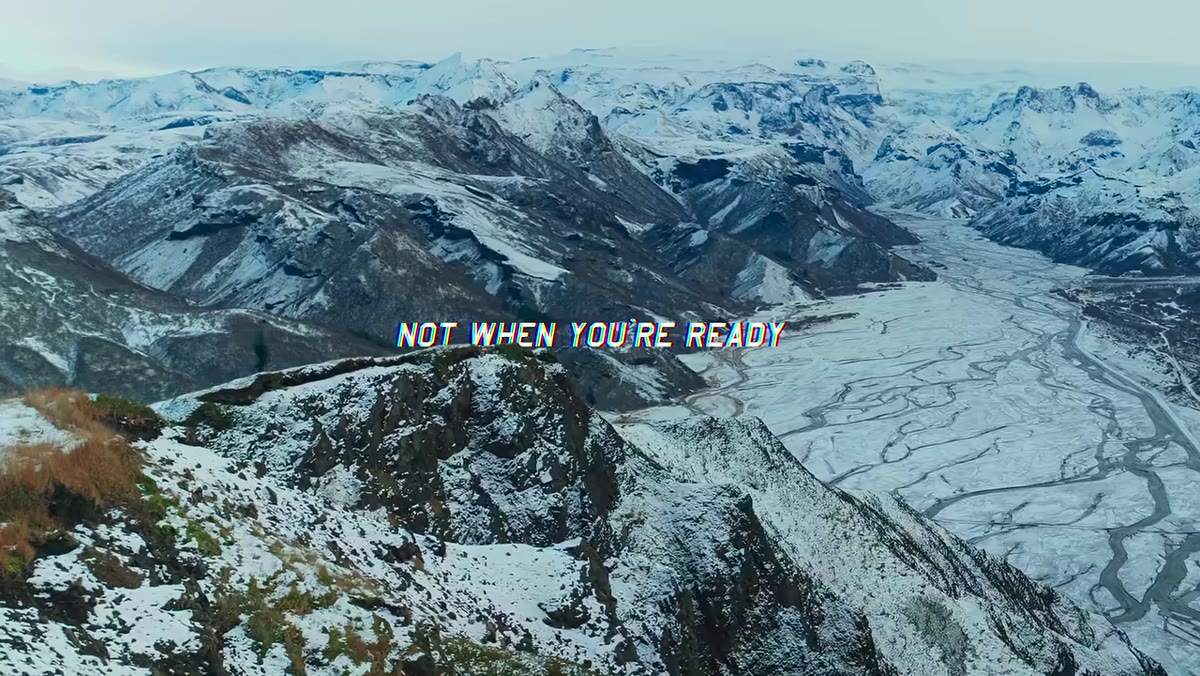
McKinnon’s Iceland footage is color graded with intention. The palette is cool, slightly desaturated, with teal shadows that reinforce the otherworldly quality of the landscape. This isn’t an afterthought. It’s a creative decision made in editing that completes the mood established during the shoot.
For beginners: start editing with one question. What mood was I trying to capture? Then adjust to serve that mood rather than just making the image look technically correct. Cooler shadows and reduced saturation can make a landscape feel remote and vast. Warmer tones and lifted shadows can make a portrait feel intimate. Lightroom’s HSL panel and color grading wheels are where this work happens. McKinnon has LUTs available that can teach you his approach by example, which is a genuinely useful way to understand color grading logic before you develop your own.
A Note From My Own Experience
I’ve made the “I’ll go when I’m ready” mistake more times than I want to count. My most-liked Instagram photo to date was shot on a $200 Android phone during a trip where my main camera battery died in the first hour. I was annoyed, then I was curious, then I was just shooting. That image led to an entire article series I still get emails about.
The gear conversation is a distraction from the practice. Every Sunday I do a photo walk with no agenda, no camera bag strategy, just my phone and a playlist. Those walks have produced some of my favorite work. Not because the phone is secretly better than my camera body, but because the low stakes get me out of my own way.
The single most important thing this video demonstrates is that consistency and presence beat preparation almost every time. McKinnon goes to Iceland. He shoots. The footage is beautiful not because of the phone, but because he showed up and paid attention.
Watch the full tutorial on YouTube and notice how much of what makes the footage work has nothing to do with the camera at all.
Comments (1)
Clear and practical. No fluff. Appreciate that.
Leave a Comment